
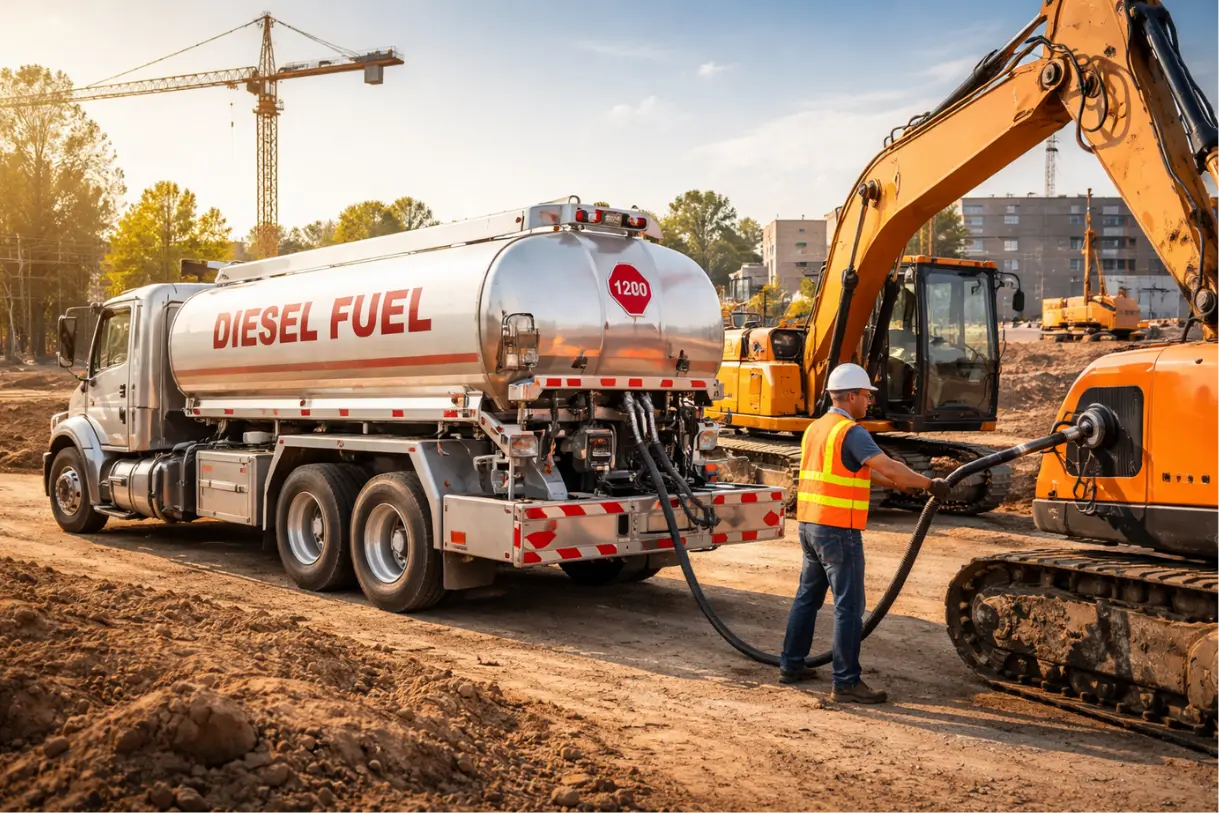
In Washington, the cost of diesel fuel delivery is usually $0.20 to $0.80 more than retail prices per gallon.
Costs depend on:
- Delivery distance
- Fuel volume
- Service type
- State regulations, such as the Climate Commitment Act.
Businesses can cut costs by:
- Ordering in bulk
- Scheduling deliveries
- Using fuel management tools
Businesses across Washington rely on steady fuel access. Construction crews, fleets, and generator-dependent sites cannot afford downtime. Many operators now prefer on-site fueling to avoid trips to a gas station and reduce idle time.
Why Diesel Delivery Costs Matter
Fuel often ranks among the top operating expenses. Small changes in fuel delivery cost can impact margins. Efficient delivery planning helps control fuel costs, improve uptime, and reduce labor waste.
What You’ll Learn
This guide explains pricing structure, delivery types, and ways to control diesel expenses in Washington.
Washington Diesel Market & Regulations
Climate Commitment Act Impact
Washington’s Climate Commitment Act adds carbon pricing. This affects diesel prices and introduces emissions allowances. These costs often appear in fuel surcharges.
Ultra-Low Sulfur Diesel Requirements
Most operations must use Ultra-low Sulfur Diesel Fuel. This cleaner fuel meets federal Environmental Protection Agency standards. It improves emissions but costs slightly more than older diesel types.
Dyed Diesel Explained
Red diesel, also called dyed diesel, applies to off-road use. Construction equipment and agricultural machinery use it. It costs less because it is tax-exempt but cannot be used on public roads.
Key Factors That Affect Diesel Delivery Costs
Market Prices and Regional Differences
Diesel prices vary across the Pacific Northwest. Urban hubs like Seattle often have higher costs than rural zones. West Coast fuel markets also respond to global crude oil cost trends.
Fuel Volume and Order Size
Larger orders reduce the per-gallon delivery cost. Bulk diesel delivery spreads transport costs over more gallons.
Delivery Distance and Logistics
Longer delivery routes increase cost. Remote job sites or mountain terrain can raise fuel delivery charges.
Delivery Type and Speed
Scheduled deliveries cost less. Emergency roadside fuel delivery or same-day service increases pricing due to urgency.
Service Quality and Technology
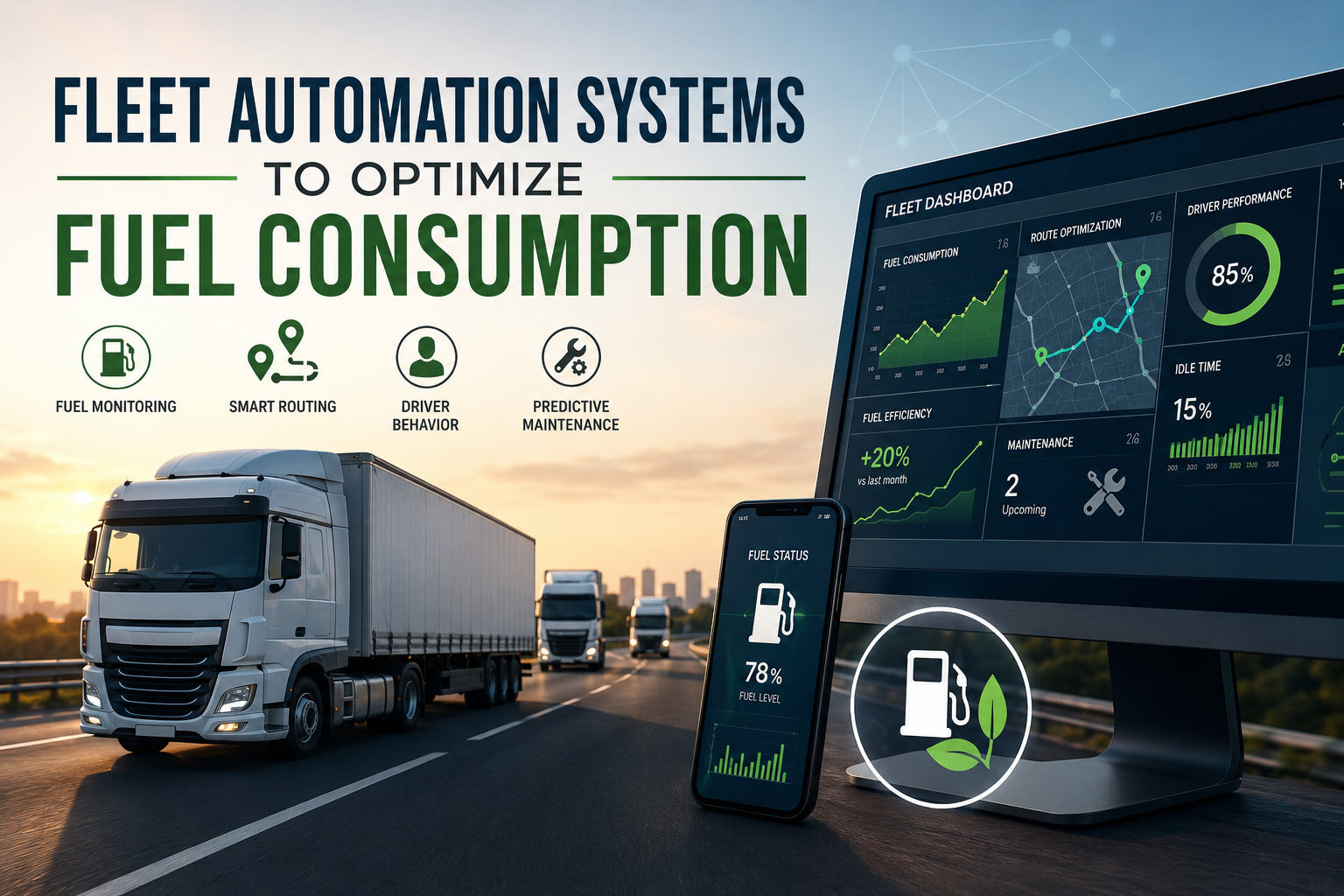
Providers that use GPS tracking and fuel management platforms often improve efficiency. These tools reduce errors and help control fuel usage.
Diesel Delivery Services in Washington
On-Site and Mobile Delivery
Mobile fuel delivery brings diesel directly to equipment, fleets, or tanks. This reduces downtime and improves fleet fueling efficiency.
Bulk Diesel Delivery
Large-scale operations use bulk delivery to fill storage tanks. This method supports long-term projects and stable supply.
Off-Road Diesel Delivery
Heavy-duty machinery and construction equipment rely on off-road diesel. Scheduled refueling keeps equipment running without interruption.
Emergency Diesel Delivery
Unexpected shortages happen. Emergency delivery services help restore operations quickly, especially for fleets or critical infrastructure.
Table: Typical Diesel Delivery Cost Components
| Cost Factor | Impact on Price | Notes |
| Base diesel price | High | Linked to market rates |
| Delivery distance | Medium to High | Longer routes cost more |
| Fuel quantity | Medium | Bulk reduces cost per gallon |
| Delivery type | Medium | Emergency costs more |
| Fuel surcharge | Medium | Covers transport volatility |
| Regulatory costs | Medium | Includes emissions programs |
| Additives or winterized fuel | Low to Medium | Seasonal adjustments |
How to Reduce Diesel Delivery Costs
Smart Scheduling
Plan deliveries in advance. Avoid last-minute orders that trigger higher charges.
Use Fuel Tracking Tools
Digital platforms monitor fuel usage. They help reduce waste and improve ordering accuracy.
Improve Storage Practices
Maintain clean and secure fuel storage tanks. This prevents contamination and fuel loss.
Optimize Fuel Efficiency
Well-maintained equipment uses less diesel. This lowers total fuel consumption over time.
Pros and Cons of Diesel Delivery
Pros
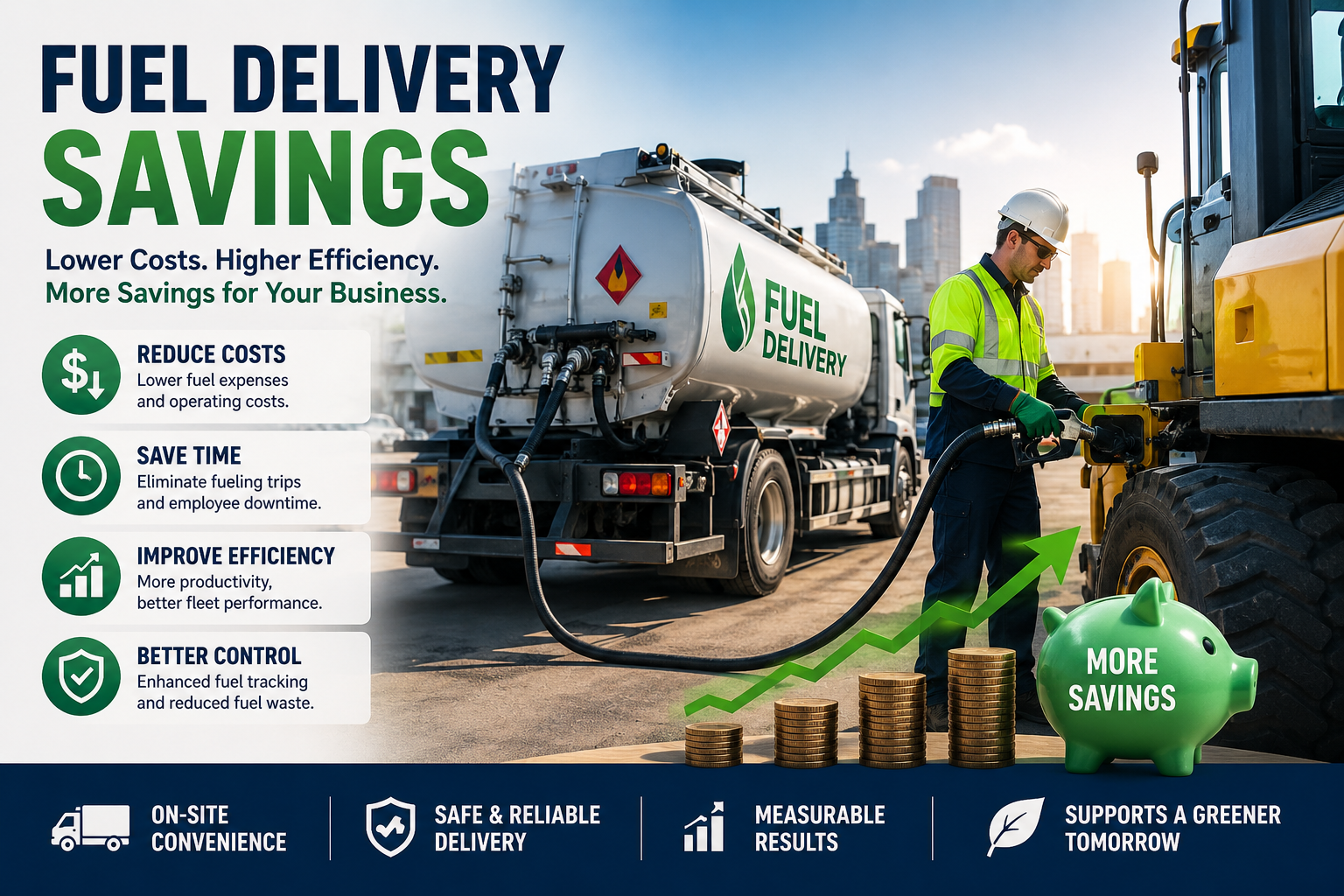
- Reduces downtime and idle travel
- Improves productivity on job sites
- Supports better fuel tracking and control
- Saves labor hours
Cons
- Delivery fees increase total cost
- Emergency service costs more
- Requires proper storage infrastructure
Common Mistakes to Avoid
- Ordering too frequently in small volumes
- Ignoring fuel efficiency practices
- Relying only on emergency deliveries
- Poor storage tank maintenance
- Not tracking fuel usage data
When Diesel Delivery Makes Sense
Diesel delivery works best for:
- Large fleets with daily fuel demand
- Construction sites with heavy equipment
- Remote operations far from fuel stations
- Facilities that rely on generators
- Long-term industrial projects
Industry Use Cases
Construction and Heavy Equipment
Consistent fueling keeps machines active. This prevents costly project delays.
Fleet Fueling
Transportation and logistics companies benefit from centralized fueling. It reduces driver downtime.
Agriculture and Forestry
Off-road diesel supports seasonal work. Reliable delivery ensures equipment stays operational.
Generator Fueling
Hospitals, data centers, and backup systems depend on fuel availability. Scheduled delivery ensures readiness.
Future Trends in Washington Diesel Delivery
Digital Fuel Management
Fuel management programs and auto-refill features improve planning. They reduce human error and optimize supply.
Supply Chain Changes
Pacific Northwest fuel markets continue to evolve. Regional storage, imports, and regulations shape availability.
Cleaner Fuel and Compliance
Regulations will push cleaner fuel use. Businesses must adapt to new compliance standards and cost structures.
Key Takeaways
- Delivery cost depends on distance, volume, and service type
- Bulk and scheduled deliveries reduce per-gallon cost
- Technology improves fuel efficiency and tracking
- Regulations in Washington impact overall pricing
- Planning reduces emergency delivery expenses
Conclusion
Understanding the diesel fuel delivery cost per gallon helps businesses plan better. Costs depend on logistics, regulations, and service type. Companies that schedule deliveries, order in bulk, and use fuel tracking tools can reduce expenses and improve uptime. Smart fuel management supports long-term operational efficiency.
FAQs
Usually $0.20 to $0.80 above retail diesel, depending on distance and volume.
It can save money by reducing labor, downtime, and vehicle wear.
Yes. Larger orders reduce delivery cost per gallon significantly.
Long distances, small orders, and emergency requests raise costs.
Yes. Many providers offer digital fuel tracking and reporting tools.

One Response