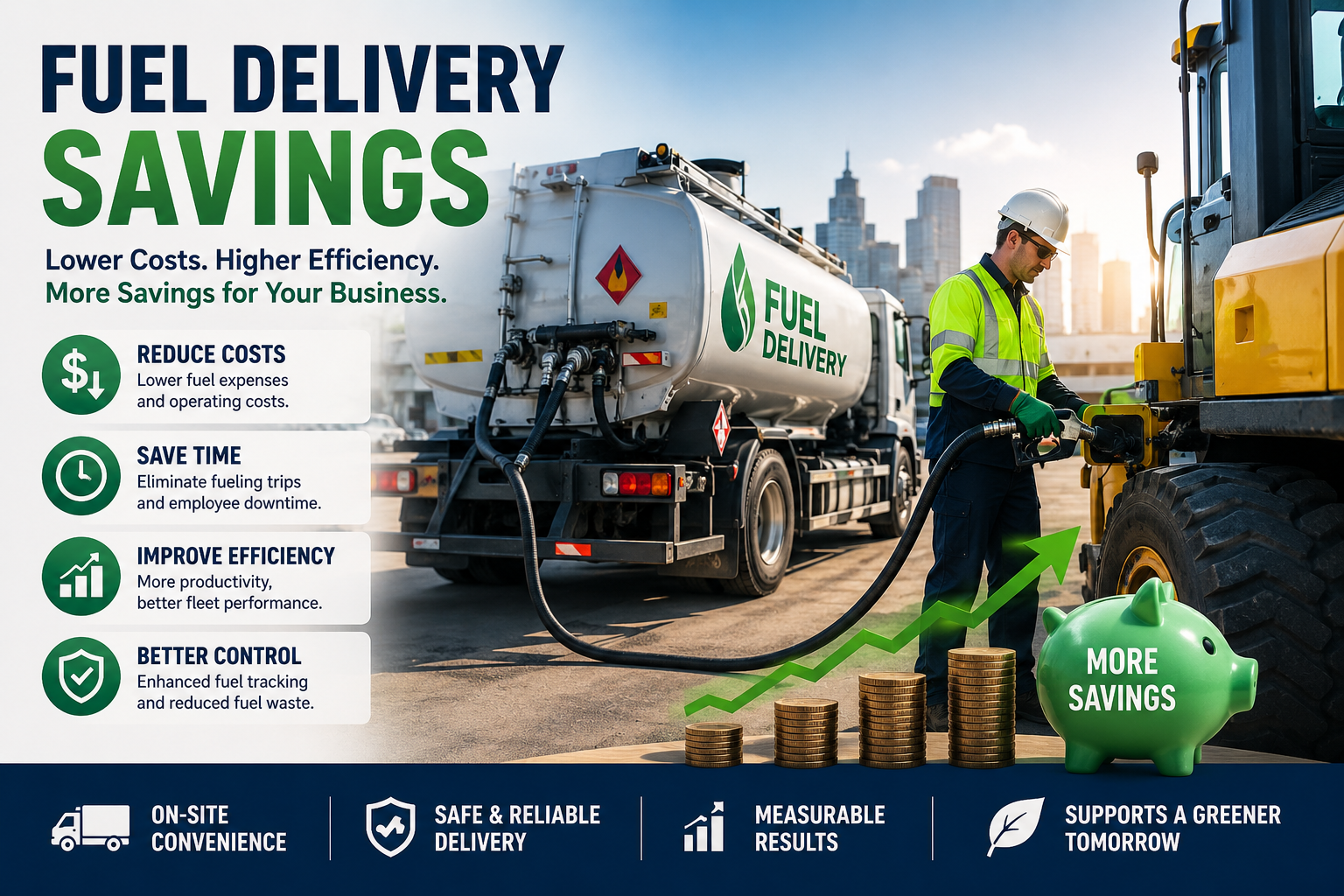
When your backup power system runs low, generator diesel delivery helps keep your business running without interruption. A professional fuel delivery service brings diesel directly to your site, ensuring your generators stay operational during outages, storms, emergencies, or planned maintenance.
For businesses, hospitals, construction sites, and data centers, fuel shortages can quickly become expensive. Have you ever wondered how companies keep generators running during extended power outages without stopping operations?
Quick Summary
Generator diesel delivery provides on-site fuel for backup generators during outages, emergencies, and high-demand operations. It helps businesses avoid downtime, protect equipment, and maintain operations safely. Fast-response fuel services are especially important for hospitals, warehouses, data centers, and commercial facilities.
What Is Generator Diesel Delivery?
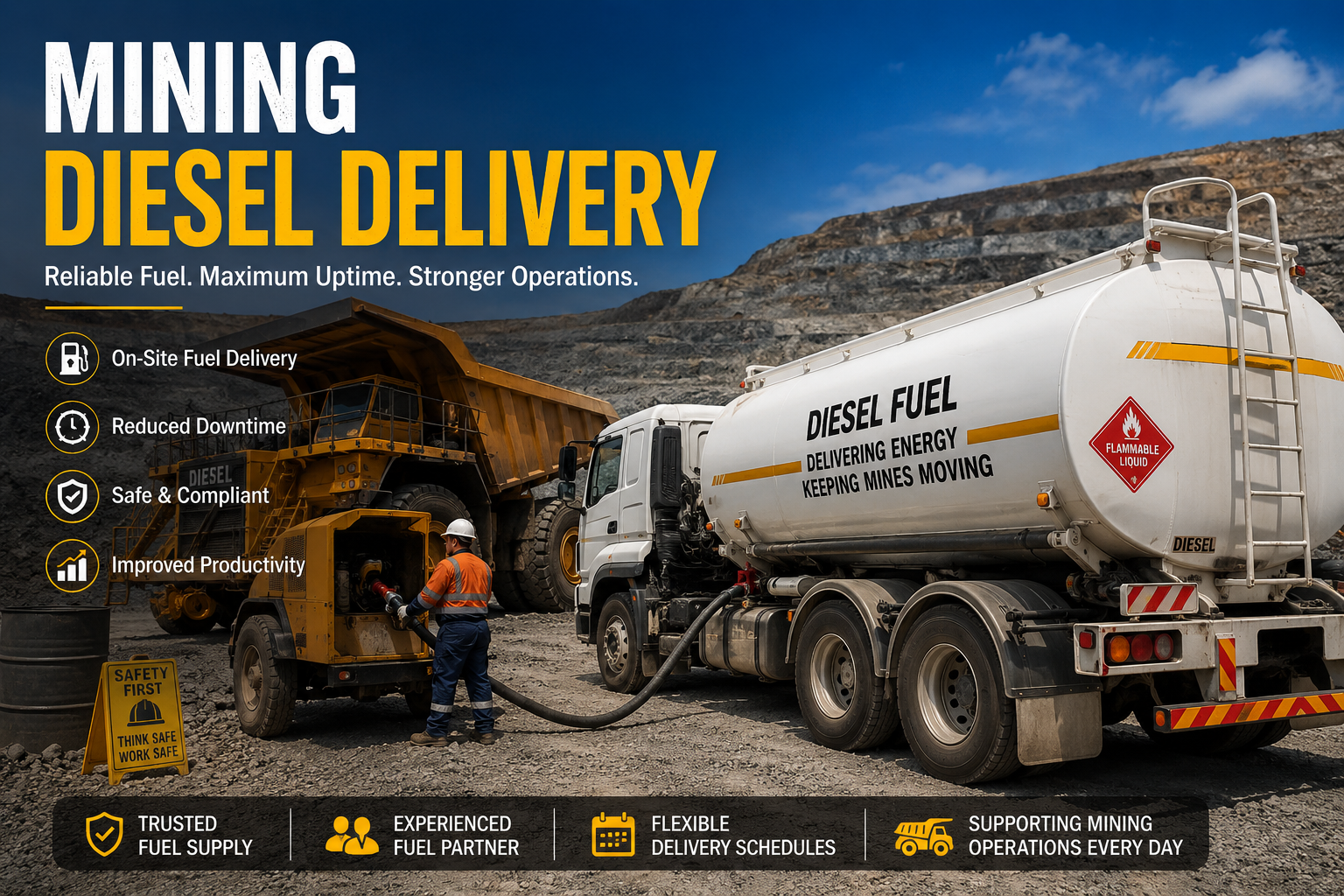
Generator diesel delivery is a mobile fuel service that supplies diesel directly to backup generators at your location. It is commonly used during power outages, natural disasters, scheduled maintenance, or long-term generator operation.
Instead of transporting fuel yourself, a licensed fuel provider delivers diesel safely and efficiently to your site. Businesses in areas like London and other major commercial regions often rely on emergency fuel support during grid disruptions.
Key Benefits
- Prevents operational downtime
- Keeps emergency systems active
- Reduces labor and fuel transport risks
- Supports long-duration outages
- Improves business continuity planning
Why Do Businesses Need Diesel Delivery?
Businesses need generator diesel delivery because power outages can stop operations, damage equipment, and affect customer service. Reliable fuel access ensures your backup power system stays active when you need it most.
Industries that commonly depend on emergency fueling include:
- Hospitals and healthcare facilities
- Construction companies
- Warehouses and logistics centers
- Manufacturing plants
- Data centers
- Telecommunications providers
- Retail stores and supermarkets
Even a short interruption can lead to financial losses, missed deadlines, or damaged inventory.
How Does Generator Diesel Delivery Work?
Generator diesel delivery usually follows a simple process designed for speed and safety.
Step-by-Step Fuel Delivery Process
- Contact the fuel provider and request service
- Share your generator size and fuel requirements
- Schedule immediate or recurring delivery
- A fuel technician arrives on-site
- Diesel is transferred safely into your generator tank
- Fuel levels and safety checks are completed
Most providers also monitor fuel quality and help prevent contamination issues that could harm your generator.
When Should You Schedule Fuel Delivery?
You should schedule generator diesel delivery before fuel levels become critical. Waiting too long can increase the risk of shutdowns during emergencies.
Common Situations Requiring Fuel Delivery
- Severe weather warnings
- Utility power outages
- Long-term generator operation
- Peak seasonal demand
- Planned maintenance shutdowns
- Remote job site operations
Many experienced facility managers schedule recurring fuel deliveries to avoid last-minute emergencies.
How Fast Can Emergency Fuel Arrive?
Emergency generator diesel delivery can often arrive within a few hours, depending on your location and provider availability. Fast response is critical during storms, blackouts, or disaster recovery situations.
Factors That Affect Delivery Time
- Distance from fuel depot
- Weather conditions
- Road access
- Fuel demand during emergencies
- Site accessibility
- Required fuel volume
Reliable fuel companies usually operate 24/7 emergency dispatch services to support critical infrastructure.
What Fuel Quality Standards Matter?
Fuel quality directly affects generator performance, reliability, and engine life. Poor-quality diesel may cause clogged filters, engine wear, or startup failures.
Important Fuel Quality Practices
- Use clean ultra-low sulfur diesel (ULSD)
- Test stored diesel regularly
- Prevent water contamination
- Rotate old fuel supplies
- Maintain storage tanks properly
Industry organizations such as the American Petroleum Institute and Occupational Safety and Health Administration emphasize proper fuel handling and storage safety practices.
Which Businesses Benefit Most?
Generator diesel delivery benefits organizations that cannot afford power interruptions. These businesses depend on uninterrupted operations to protect revenue, safety, and customer trust.
High-Need Industries
- Healthcare and medical centers
- Airports and transportation hubs
- IT and cloud data facilities
- Emergency response agencies
- Food storage warehouses
- Financial institutions
- Large office complexes
For many companies, backup power is not optional it is part of risk management planning.
How Can You Improve Fuel Safety?
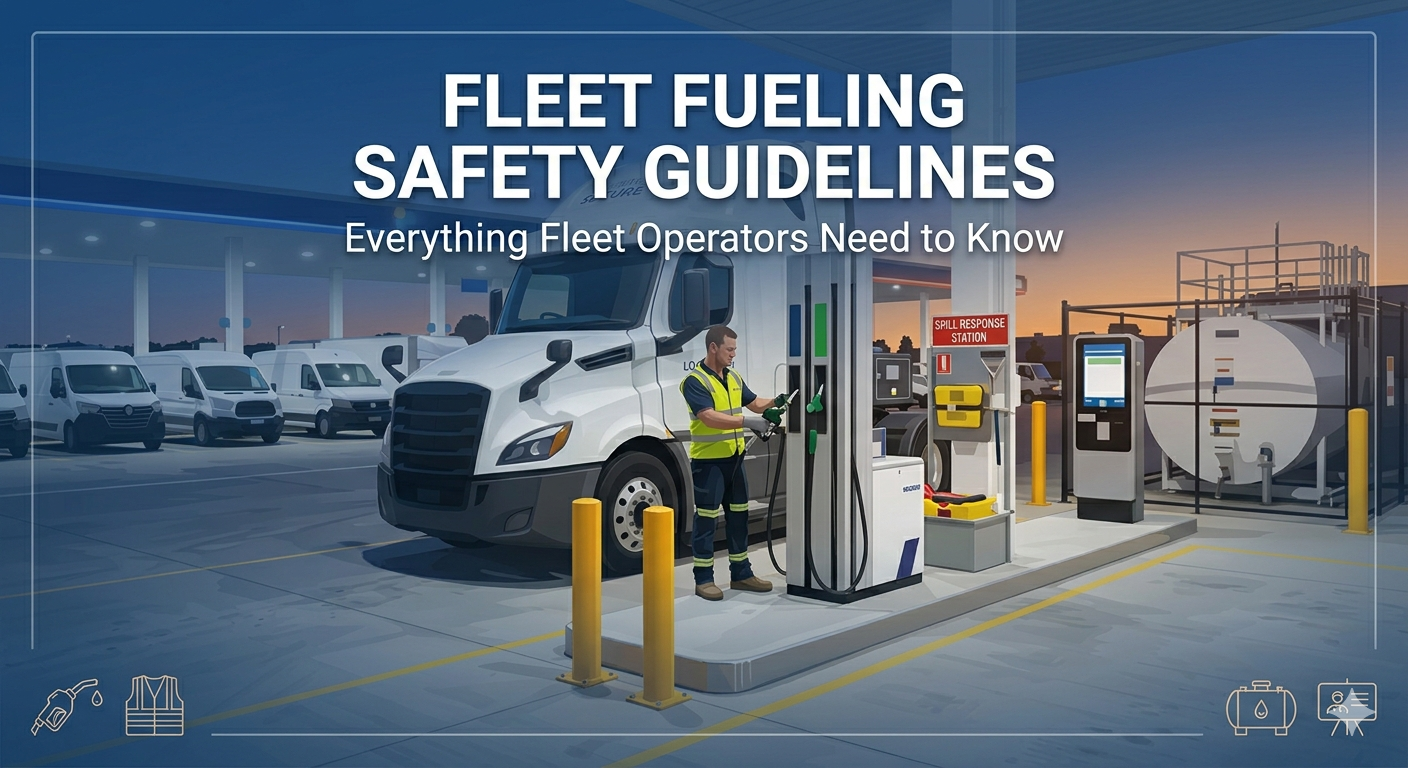
Fuel safety starts with proper storage, regular inspections, and working with trained delivery professionals.
Generator Fuel Safety Checklist
- Inspect tanks regularly for leaks
- Keep fuel storage areas ventilated
- Avoid overfilling tanks
- Test backup generators monthly
- Maintain emergency fuel contacts
- Train staff on fuel safety procedures
Small maintenance issues can become major operational failures during emergencies.
Pro Tips for Generator Fuel Management
Smart Fuel Management Tips
- Schedule recurring fuel inspections
- Keep emergency fuel reserves available
- Monitor generator runtime closely
- Partner with a 24/7 delivery provider
- Use fuel polishing services for long-term storage
- Document all maintenance and fuel usage
Businesses with proactive fuel management plans usually experience fewer emergency disruptions.
Final Thoughts
Generator diesel delivery is more than a convenience it is an essential part of emergency preparedness and business continuity. Reliable fuel access helps you protect equipment, maintain operations, and reduce downtime during unexpected outages.
Whether you operate a hospital, warehouse, construction project, or office facility, having a dependable fuel delivery partner can make a major difference when power failures happen.
Frequently Asked Questions
Stored diesel should typically be tested every 6 to 12 months. Fuel quality can decline over time due to contamination, moisture, and oxidation.
Yes. Many emergency fuel providers operate 24/7 during storms and disaster situations to support critical facilities and backup generators.
Most commercial generators use ultra-low sulfur diesel (ULSD) because it meets modern emissions and equipment standards.
Yes, when handled by licensed professionals using proper fuel transfer equipment and safety procedures.
Fuel usage depends on generator size, load level, and runtime. Large industrial generators may consume several gallons per hour.
Yes. Many companies offer recurring delivery programs based on your generator usage and fuel monitoring systems.