
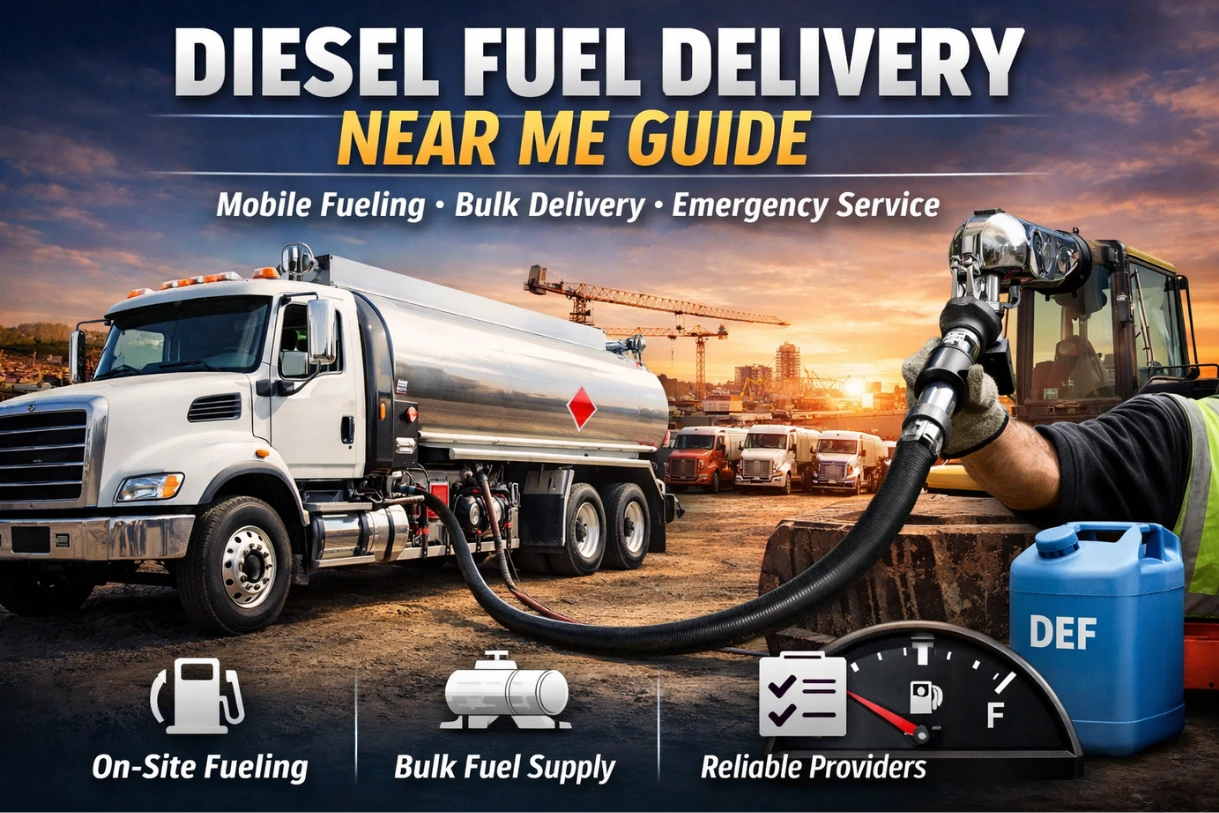
Businesses looking for diesel fuel delivery nearby need quick and dependable supply. This helps keep operations running smoothly, cuts down on labor, and avoids downtime. Top providers give mobile fueling, bulk delivery, and emergency response. They also ensure fuel quality and compliance.
This guide shows you how to:
- Check local suppliers.
- Choose the right service type.
- Manage diesel fuel effectively for fleets, equipment, and job sites.
- When you search for diesel fuel delivery near me, you need more than proximity. You need reliability, speed, and operational support. Fuel delays can stop fleets, halt construction, and disrupt generators.
Local diesel delivery providers solve this problem. They bring fuel directly to your site, yard, or equipment. This reduces downtime and keeps operations moving.
Why Local Diesel Delivery Is Critical
Speed and Responsiveness
Local providers respond faster. They understand regional routes, traffic patterns, and demand spikes. This matters during peak operations or emergencies.
Cost Efficiency
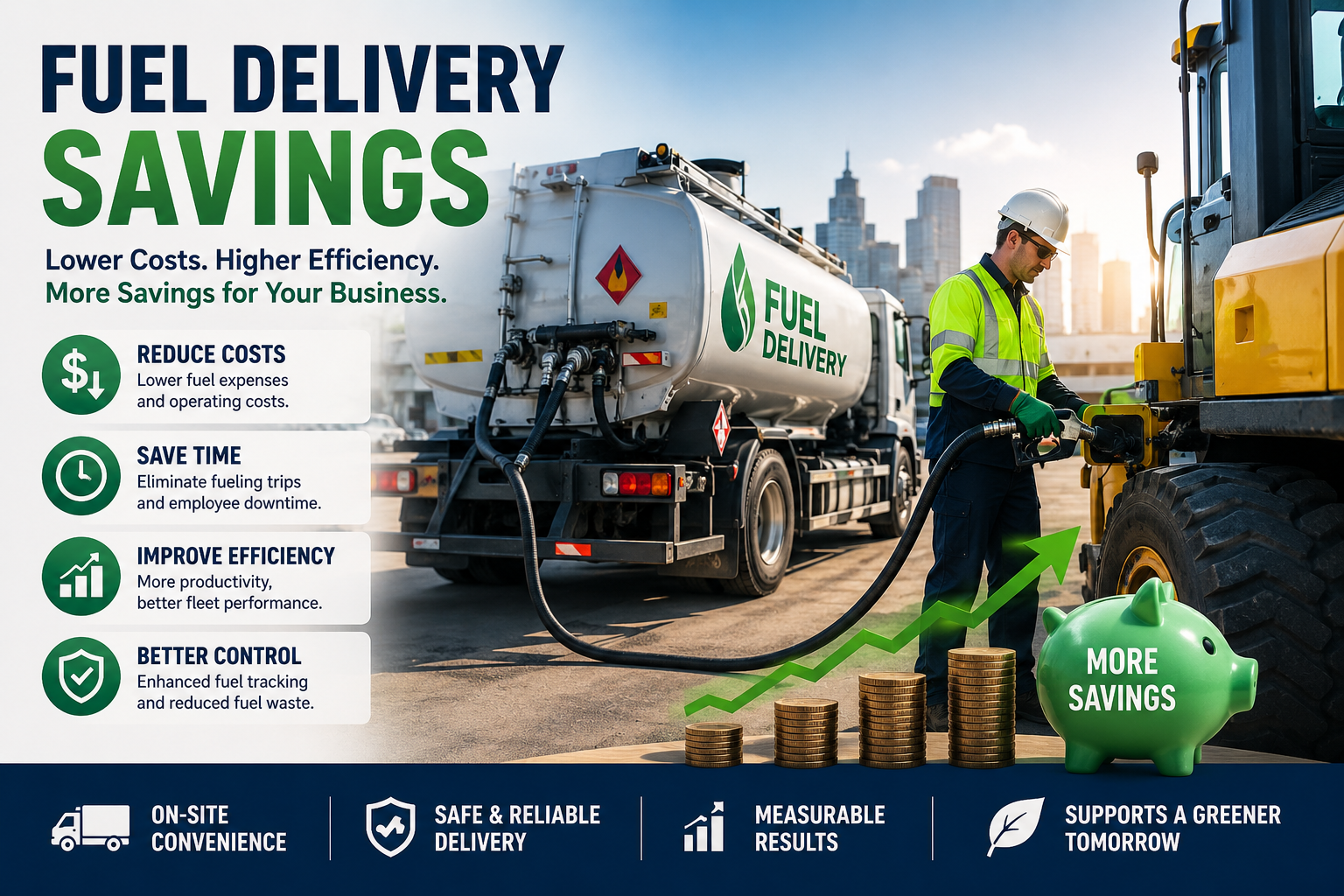
On-site fueling reduces labor hours. Drivers stay productive. Equipment stays in place. You avoid unnecessary trips to fuel stations.
Emergency Readiness
Fuel supply disruptions happen. Weather events, power outages, or supply chain issues can delay access. A local partner helps maintain continuity.
Understanding Your Fuel Needs
Key Diesel Fuel Types
- On-road diesel for trucks and transport fleets
- Off-road diesel (dyed diesel) for construction equipment
- Renewable diesel for lower emissions operations
Diesel Exhaust Fluid (DEF)
Modern diesel engines need diesel exhaust fluid. DEF supports emissions compliance and engine performance. Most providers deliver DEF alongside fuel.
Fuel Consumption and Storage
Assess:
- Daily and weekly fuel usage
- Equipment type and engine demand
- On-site storage capacity
This helps determine whether you need bulk fuel delivery or scheduled mobile fueling.
How to Find the Best Local Provider
Start with Smart Search
Use targeted queries like:
- diesel fuel delivery near me
- mobile fuel delivery for fleets
- emergency diesel delivery service
Focus on providers that serve commercial operations.
Check Key Criteria
Look for:
- Delivery speed and coverage area
- Fleet fueling capabilities
- Safety standards and compliance
- Transparent pricing and fuel costs
- Experience with your industry
Questions to Ask
- Do you offer emergency fuel delivery?
- Can you handle bulk and on-site fueling?
- How do you ensure fuel quality?
- Do you provide delivery tracking or reporting?
Types of Diesel Fuel Delivery Services
Bulk Fuel Delivery
Best for high-volume operations. Fuel gets delivered to on-site tanks using bobtail trucks.
Mobile On-Site Fueling (Wet Hosing)
Fuel is delivered directly into vehicles or equipment. This works well for:
- Commercial fleets
- Construction equipment
- Yard operations
Emergency Fuel Delivery
Used during outages or supply disruptions. Fast response prevents costly downtime.
Specialized Delivery Options
Some providers offer:
- Generator fueling
- DEF delivery
- Fuel for long-term projects
- Specialty petroleum products
The Delivery Process
Placing an Order
Most providers accept:
- Phone orders
- Online scheduling
- Customer portals
Site Preparation
Ensure:
- Clear access for delivery trucks
- Safe fuel tank placement
- Compliance with fire lanes and regulations
During Delivery
Expect:
- Professional handling
- Spill prevention measures
- Accurate fuel measurement
Post-Delivery
- Verify fuel quantity
- Review invoices
- Track delivery history
Diesel Delivery Service Comparison
Service Type Best For Key Benefit Limitation Bulk Fuel Delivery Large facilities Lower cost per gallon Requires storage tanks Mobile Fuel Delivery Fleets and job sites Saves labor and time Scheduling required Emergency Fuel Power outages, urgent needs Fast response Higher cost per delivery Wet Hosing Fleet yards Direct fueling efficiency Needs site coordination Optimizing Fuel Management
On-Site Storage
Use properly maintained fuel tanks. Monitor levels to avoid shortages.
Managing Fuel Costs
- Track fuel consumption trends
- Schedule deliveries during stable pricing periods
- Avoid emergency orders when possible
Fuel Quality Control
Contaminated fuel damages engines. Work with suppliers that test and handle fuel properly.
Use Technology
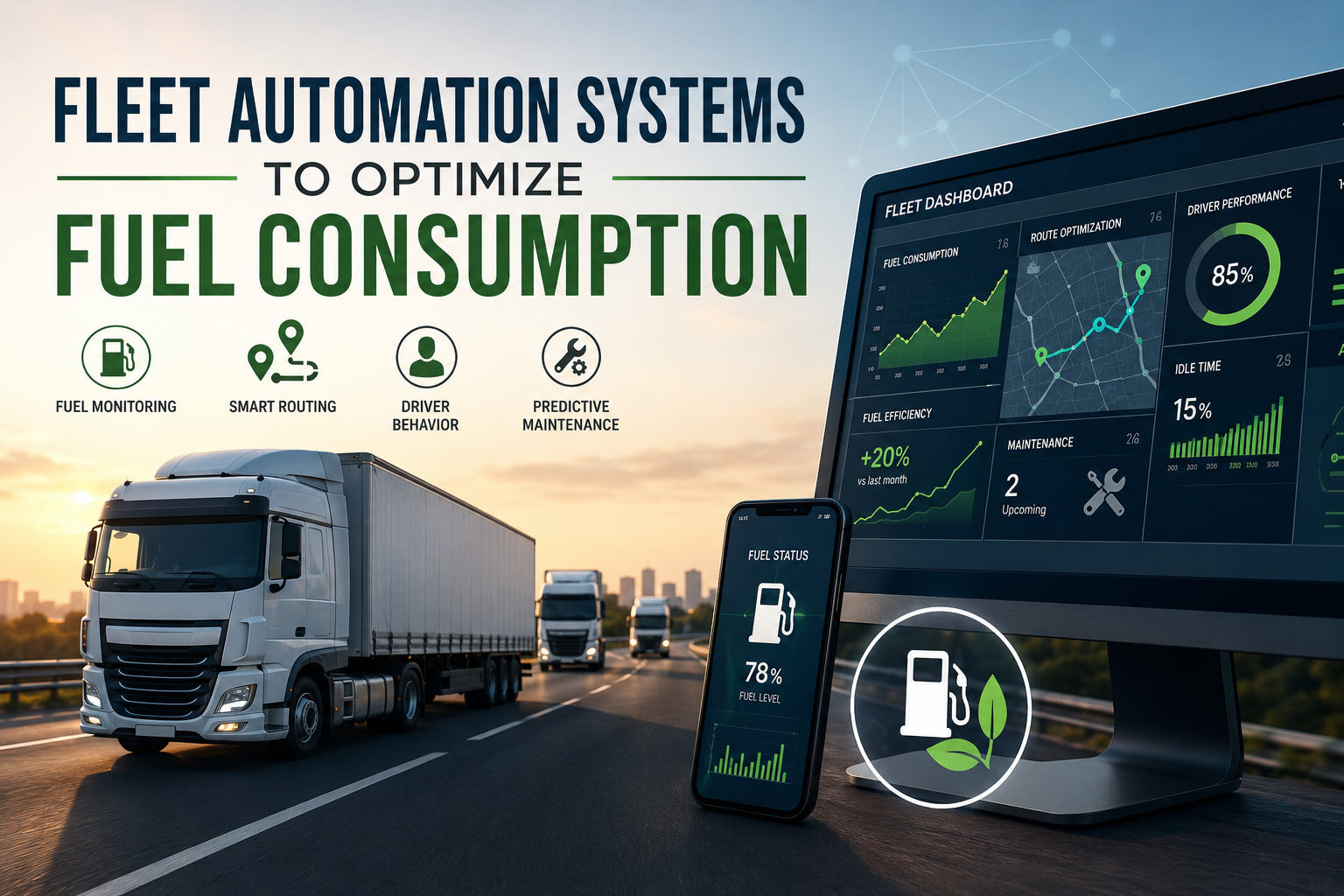
Fleet management tools and delivery tracking systems improve visibility. They help optimize fueling schedules and reduce waste.
Emergency Preparedness
Build a Fuel Plan
Identify:
- Backup fuel sources
- Minimum storage levels
- Emergency contacts
Rapid Response Capabilities
Choose a provider with:
- 24/7 availability
- Local dispatch
- Proven response times
Risk Management
Ensure:
- Spill prevention protocols
- Compliance with safety standards
- Proper waste management
Pros and Cons of Diesel Delivery
Pros
- Reduces downtime
- Saves labor costs
- Improves operational efficiency
- Supports fuel scheduling and planning
Cons
- Requires coordination
- Emergency services cost more
- On-site storage may be needed
Common Mistakes to Avoid
- Choosing based on price only
- Ignoring fuel quality standards
- Not planning for emergencies
- Underestimating fuel consumption
- Poor site access for delivery trucks
When This Option Makes Sense
Diesel delivery works best for:
- Large commercial fleets
- Construction and job sites
- Generator-dependent facilities
- Remote or high-usage operations
If fuel usage is frequent and critical, on-site fueling improves productivity and control.
Key Takeaways
- Local diesel delivery supports uptime and efficiency
- Choose providers based on reliability, not just price
- Match service type to your operational needs
- Plan ahead to avoid emergency fuel costs
- Monitor fuel usage and quality consistently
Conclusion
Finding the right diesel fuel delivery near me means choosing a provider that supports uptime, safety, and efficiency. Focus on reliability, service options, and fuel quality. A strong local partner helps you reduce downtime, control costs, and keep operations running without interruption.
FAQs
Local providers often deliver within hours. Emergency services may offer same-day or rapid response options.
Yes. Certified providers follow strict safety protocols and spill prevention standards.
Not always. Wet hosing allows direct fueling without on-site storage tanks.
Construction, logistics, agriculture, and backup power facilities rely heavily on diesel delivery.
Most providers supply diesel exhaust fluid alongside fuel for compliance and convenience.

One Response