Diesel fuel logistics is the end-to-end process of sourcing, transporting, storing, and delivering diesel fuel to fleets, job sites, and industrial operations. If your business runs on diesel whether you manage ten trucks or a thousand getting fuel logistics right is one of the most direct ways to protect your uptime and your bottom line.
Most logistics companies don’t think about fuel as a supply chain problem until something goes wrong. A delayed tanker, an empty storage tank, or a poorly managed fuel card program can ground your fleet within hours. So the real question isn’t whether diesel fuel logistics matters, it’s whether your current setup is working as hard as it should be.
Quick Summary
Diesel fuel logistics covers the full journey from refinery to fuel tank including bulk fuel delivery, road tanker logistics, onsite fuel storage, and fleet fuel management. A reliable fuel logistics provider reduces downtime, controls costs, and keeps large fleets moving. Choosing the right partner means looking at delivery reliability, telemetry tools, and flexible supply options including HVO fuel alternatives.
How Does a Fuel Supply Chain Actually Work?
The fuel supply chain is more complex than most people realize, and understanding it helps you spot where inefficiencies hide.
At its core, petroleum logistics moves refined diesel from terminal storage facilities through a network of road tankers and distribution hubs to end users. For large fleets and industrial operations, that journey often involves multiple handoffs from the fuel logistics company to regional depots, to on-site storage tanks, to individual vehicles.
Here’s what typically happens behind the scenes:
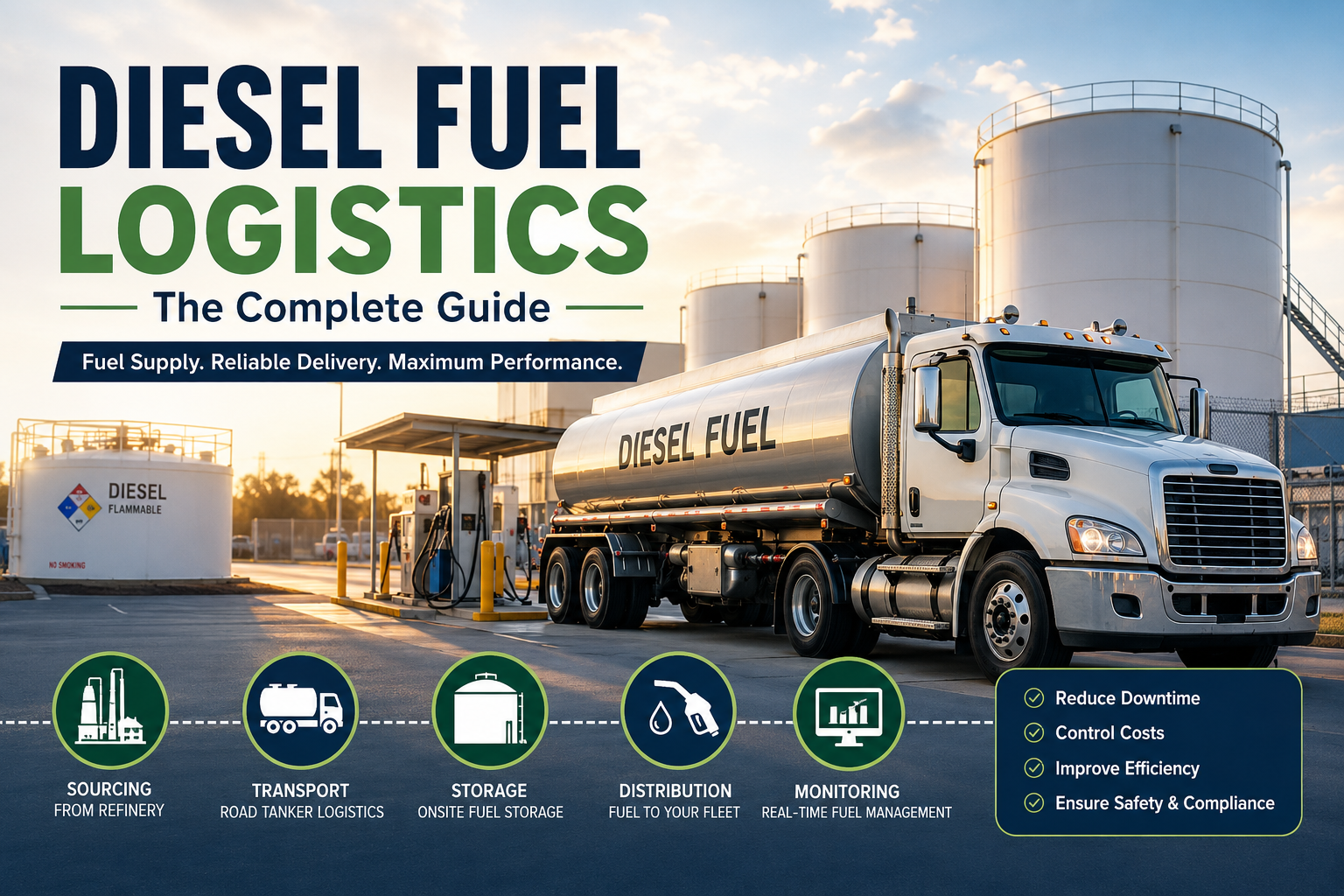
- Procurement: Your fuel logistics provider sources diesel at competitive bulk rates from refineries or fuel terminals.
- Transport: Road tanker logistics teams schedule and route deliveries based on your consumption forecasts.
- Storage: Diesel is held in certified onsite fuel storage tanks, often monitored by fuel tank telemetry systems.
- Distribution: Fuel is dispensed to vehicles or equipment via managed pumping stations or mobile bowsers.
- Monitoring: Modern fuel management systems track usage in real time, flagging anomalies that may indicate waste or theft.
In regions like the Gulf Coast and Midwest, where industrial fuel supply demand runs high, well-structured petroleum logistics can mean the difference between a smooth quarter and a costly operational disruption.
What Are the Key Components of Bulk Fuel Delivery?
Bulk fuel delivery is the backbone of any serious diesel fuel logistics operation. It refers to the large-volume transportation of diesel, typically 5,000 to 40,000 liters per load, directly to your site or depot.
The main components include:
- Fuel tanker logistics: Scheduling and routing road tankers to deliver at the right time, without over-ordering or running dry.
- Certified tanker drivers: Fuel haulage services require drivers trained in hazardous materials handling and compliance with DOT regulations.
- Metered delivery: Accurate metering ensures you’re billed for exactly what arrives no guesswork.
- Emergency delivery capability: A strong commercial fuel delivery partner should offer out-of-hours response for critical operations.
- Product quality assurance: Reputable fuel logistics companies test fuel for contamination and water ingress before and during delivery.
If you’re running a transport fleet or managing an industrial site, bulk diesel delivery is almost always more cost-effective than relying on retail pump pricing.
How Do You Choose a Fuel Logistics Provider?
Choosing the right fuel logistics provider isn’t just about price. Reliability, technology, and flexibility matter just as much especially when your operations depend on fuel being there when you need it.
Ask any potential fuel transport company these questions before signing a contract:
- What is your average delivery lead time in my region?
- Do you offer fuel tank telemetry and real-time monitoring?
- Can you supply HVO fuel or AdBlue alongside standard diesel?
- What happens if I need an emergency delivery outside normal hours?
- Do you provide fuel management system integration for fleet reporting?
A credible fuel logistics provider will answer all of these without hesitation. Look for companies that are members of recognized industry bodies in the US, that includes the Petroleum Equipment Institute (PEI) and the National Tank Truck Carriers (NTTC) association. These affiliations signal that your partner holds themselves to professional standards for fuel storage and transportation.
How Can Fleet Fuel Management Cut Costs?
Fleet fuel management is one of the highest-leverage tools a logistics company has for reducing operating costs. Fuel typically accounts for 25–35% of total fleet operating expenses, which means even a 5% efficiency gain has a real impact on your numbers.
Effective diesel fuel management combines:
- Fuel monitoring systems that track consumption per vehicle, route, and driver
- Fuel cards for fleets that restrict unauthorized purchases and provide itemized reporting
- Onsite fuel storage with automated dispensing to eliminate retail markup
- Telemetry integration that links fuel usage to vehicle diagnostics and GPS data
- HVO fuel options for fleets with sustainability targets or low-carbon obligations
Companies managing commercial fleet fuel in competitive markets are increasingly moving toward integrated fleet fuel solutions platforms that combine delivery scheduling, usage analytics, and carbon reporting in one dashboard. If your fuel logistics provider can’t offer this level of visibility, it may be time to look at alternatives.
Step-by-Step: Setting Up Onsite Fuel Storage
Setting up onsite fuel storage correctly from the start prevents costly compliance issues and operational headaches down the line. Follow these steps:
- Assess your consumption. Calculate your average daily diesel usage across all assets. A fuel logistics specialist can help model your 30, 60, and 90-day demand.
- Choose the right tank size and type. Above-ground bunded tanks are the most common choice for fleet depots. Capacity typically ranges from 1,000 to 50,000 liters. Bunding is required in most US states to contain spills.
- Confirm local permits and compliance. Check with your local fire marshal and environmental authority. EPA Spill Prevention, Control, and Countermeasure (SPCC) rules apply to most commercial fuel storage operations.
- Install fuel tank telemetry. A telemetry unit monitors fuel levels remotely, sending alerts when stock drops below your reorder threshold. This eliminates manual dipping and reduces the risk of running empty.
- Set up a managed refuelling contract. Work with your fuel logistics company to establish automatic replenishment schedules based on telemetry data and seasonal demand patterns.
- Train your team. Ensure staff handling fuel understand correct dispensing procedures, spill response, and record-keeping requirements under your local environmental regulations.
Step-by-Step: Optimizing Your Fuel Distribution Services
Once your storage and delivery infrastructure is in place, the next step is optimization making sure every liter of diesel is working as hard as possible.
- Audit your current fuel distribution services. Pull 12 months of consumption data and look for patterns: which vehicles, routes, or shifts are burning the most fuel relative to output?
- Integrate your fuel management system with fleet telematics. When fuel data and vehicle data talk to each other, you can identify inefficiencies like excessive idling, overloading, or poor route planning.
- Benchmark against industry standards. The American Trucking Associations (ATA) publishes benchmarking data on fleet fuel efficiency. Use it to set realistic improvement targets.
- Introduce driver fuel efficiency training. Driving behavior accounts for up to 30% of fuel consumption variance. Smooth acceleration, proper gear usage, and reduced idling can make a measurable difference.
- Review your fuel logistics provider contract annually. Fuel prices shift, your fleet grows, and your needs change. A fixed contract without review cycles may cost more than a flexible arrangement.
Pro Tips for Safer, Smarter Fuel Transportation
Working with diesel at scale comes with real responsibilities. Here are practical insights from years in fuel haulage services and commercial fleet fuel supply:
- Never skip fuel quality checks. Contaminated diesel, especially diesel with water ingress, can cause injector damage that costs far more to repair than a simple quality test to prevent.
- Maintain a 20% buffer in onsite storage. Running close to empty increases emergency delivery costs and operational risk.
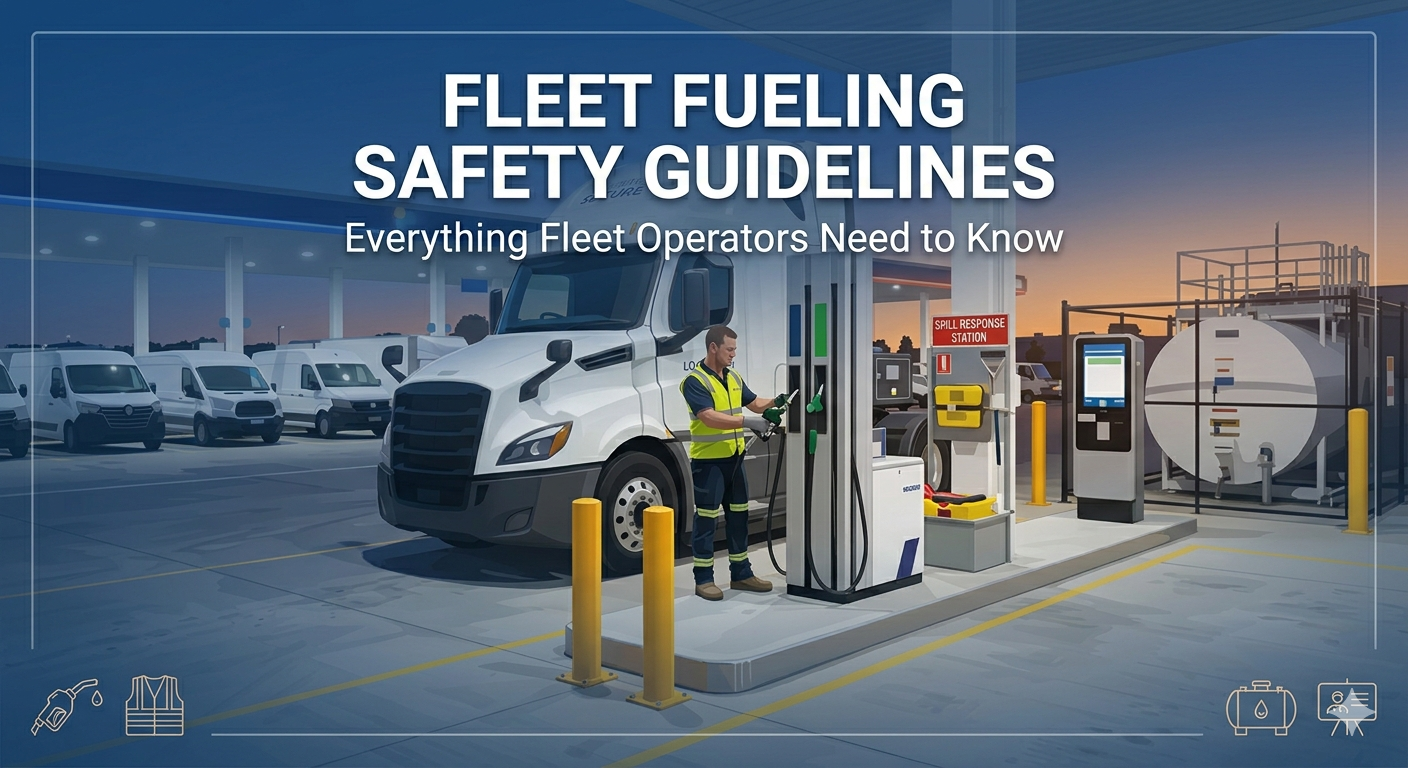
- Use color-coded dispensing nozzles. This simple step prevents misfuelling, especially on mixed fleets using both standard diesel and HVO fuel.
- Review telemetry alerts weekly. Don’t wait for a crisis. Patterns in your fuel monitoring system data often reveal slow leaks or unauthorized usage before they become serious problems.
- Document everything. For SPCC compliance and insurance purposes, maintain detailed records of every delivery, dispense event, and tank inspection.
Frequently Asked Questions
Diesel fuel logistics is the process of managing the procurement, transportation, storage, and distribution of diesel fuel for commercial and industrial operations. It covers everything from bulk fuel delivery to onsite tank management and fleet refuelling solutions.
A fuel logistics provider loads diesel into a road tanker at a fuel terminal or depot and transports it to your site. Delivery is metered for accuracy, and your onsite storage tank is refilled to your agreed level. Scheduled or automatic delivery options are available with most fuel logistics companies.
A fuel management system monitors onsite fuel consumption through hardware installed at your dispensing point. Fuel cards for fleets are payment tools used at retail or commercial fuel stations. Many businesses use both together for full visibility across onsite and away-from-base fuelling.
Yes Hydrotreated Vegetable Oil (HVO) is a drop-in replacement for mineral diesel in most modern engines and requires no modifications. It can reduce net CO2 emissions significantly and is increasingly available through commercial fuel delivery providers.
The EPA’s Spill Prevention, Control, and Countermeasure (SPCC) regulation applies to facilities storing more than 1,320 gallons of oil products above ground. State-level requirements vary. Always consult your fuel logistics provider and a compliance specialist before installing new storage infrastructure.
At minimum, review your contract annually. Factors like fuel price movements, fleet size changes, new sustainability requirements, and advances in fuel tank telemetry technology can all justify renegotiation. A good fuel logistics provider will welcome this conversation.
Final Thoughts
Diesel fuel logistics isn’t a background function it’s a strategic lever. When your fuel supply chain is tight, your fleet keeps moving. When it isn’t, you feel it in every KPI that matters.
Whether you’re building out onsite fuel storage for the first time, looking for a more capable fuel transport company, or trying to get more from your existing fleet fuel management setup, the principles are the same: plan around real data, choose partners who can grow with you, and never treat fuel as an afterthought.
The logistics companies that get this right don’t just reduce cost, they build resilience. And in an industry where margins are tight and downtime is expensive, resilience is everything.