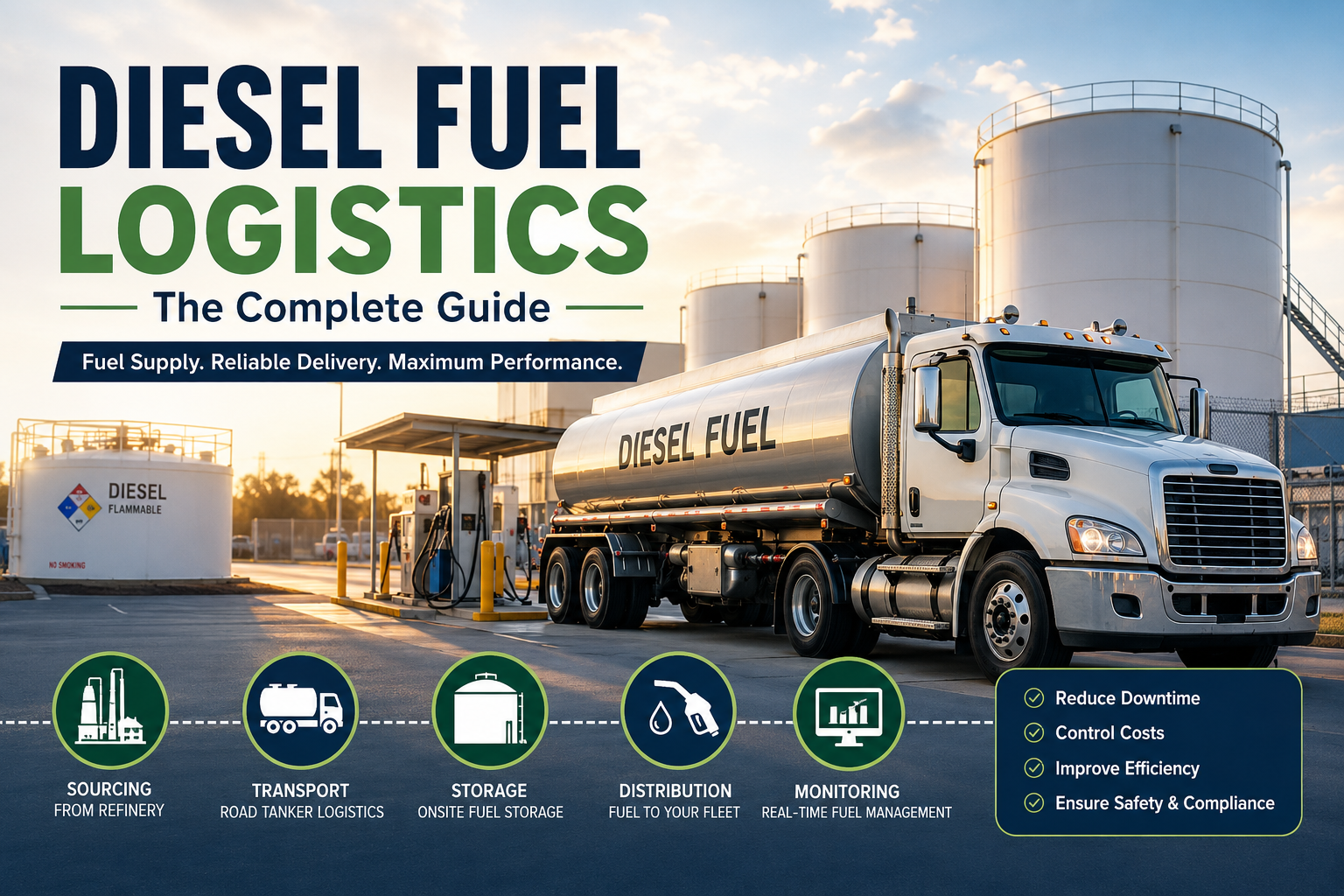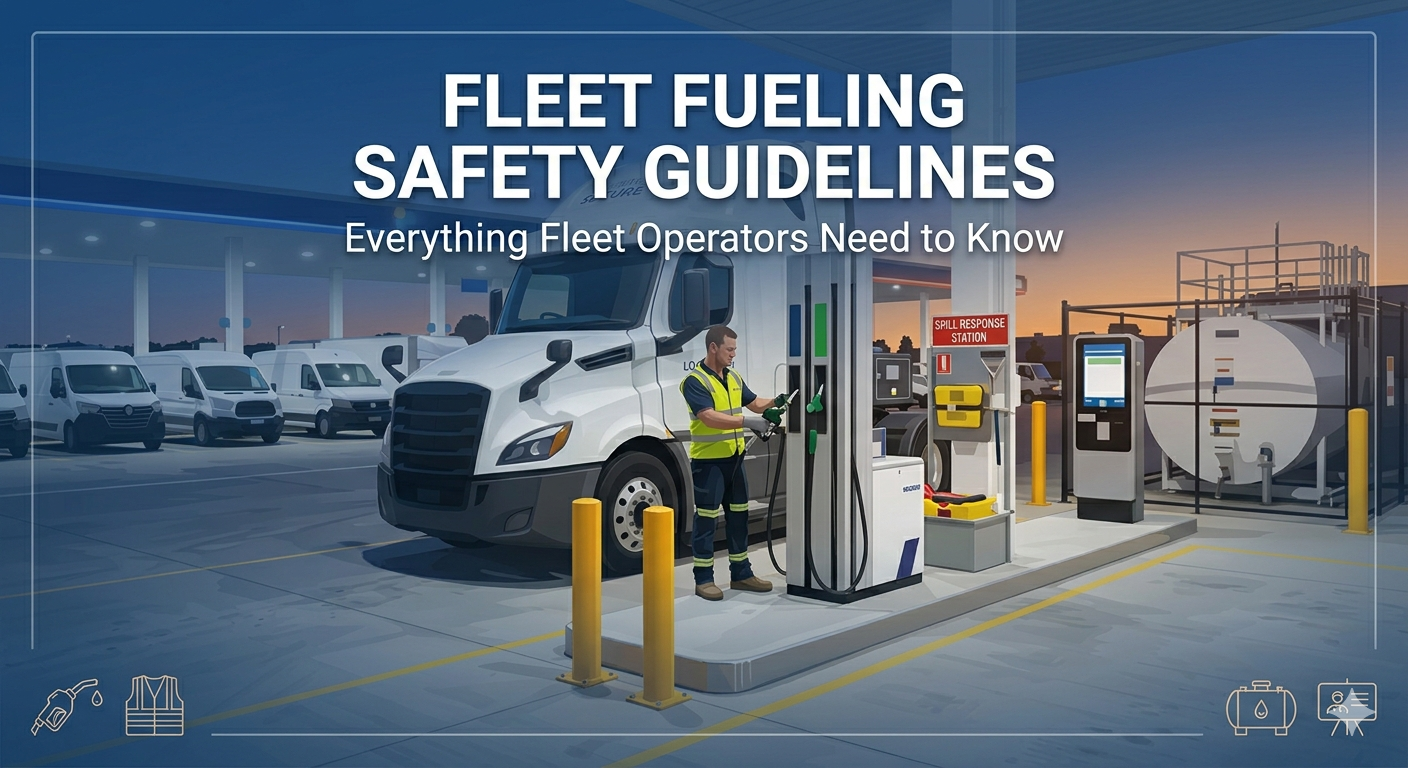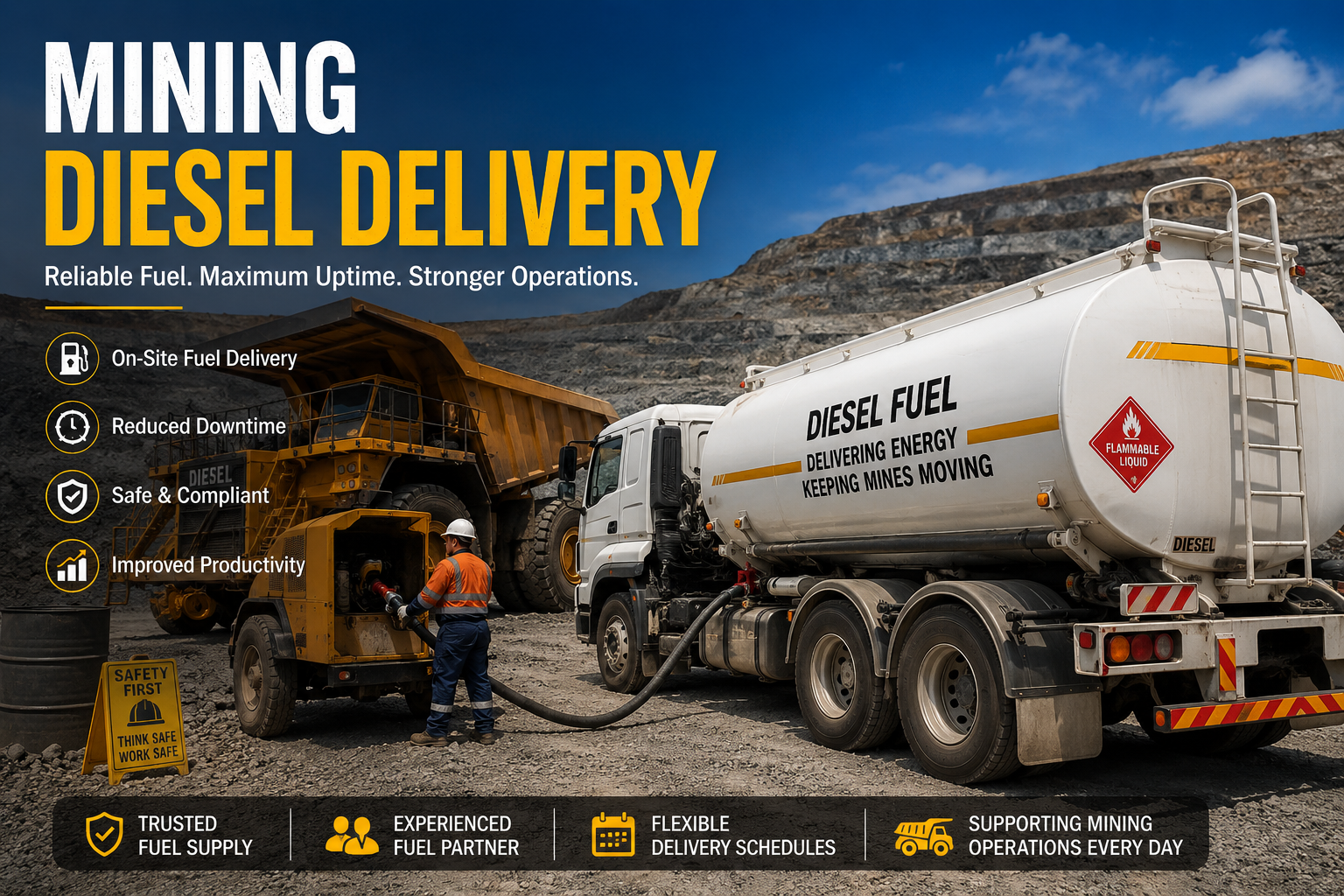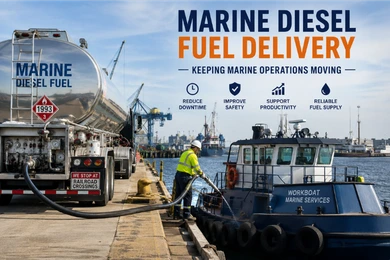
This is where East Coast diesel & marine fueling operations play an important role across US ports and coastal industries. Marine diesel fuel delivery services help commercial marine operators maintain uptime, reduce fueling delays, and improve fuel logistics. Dockside and on-site fueling support fleets, ports, generators, and marine equipment without disrupting operations. Reliable fuel scheduling, emergency response, and compliance practices help operators avoid downtime and improve productivity across demanding marine environments.
Introduction
Marine operations depend on reliable access to fuel. Delays at the dock can disrupt schedules, increase labor costs, and reduce equipment availability.
Commercial operators often manage multiple fuel demands at the same time. Workboats, tugboats, generators, refrigerated units, and support equipment all require consistent fueling support. Marine diesel delivery services simplify this process by bringing fuel directly to vessels, docks, marinas, and industrial waterfront facilities.
For many operators, the goal is simple. Keep vessels moving and reduce operational interruptions.
Common Fueling Challenges for Marine Operators
Marine operators deal with more than fuel purchasing. They also manage scheduling, environmental risk, labor coordination, and emergency readiness.
Common operational issues include:
- Delays caused by off-site fueling trips
- Limited dock access during peak hours
- Fuel contamination concerns
- Emergency generator fueling needs
- Labor shortages at industrial sites
- Seasonal demand spikes
- Storm-related supply disruptions
On-site marine fueling helps reduce these risks. Operators can fuel vessels during planned windows instead of pulling crews away for fuel runs.
How Mobile Marine Fuel Delivery Works
Mobile marine fueling providers transport diesel directly to the operating location. Service teams deliver fuel using compliant tanker trucks and transfer systems designed for marine environments.
Most operations follow a structured process:
| Service Area | Operational Benefit |
| Dockside fueling | Reduces vessel downtime |
| Fleet fueling | Improves scheduling efficiency |
| Emergency fuel delivery | Supports operational continuity |
| Generator fueling | Maintains backup power readiness |
| Long-term project fueling | Simplifies fuel logistics |
| DEF delivery | Supports emissions compliance |
Many marine operators combine scheduled deliveries with emergency fueling support. This approach improves flexibility during weather events, port congestion, or equipment failures.
East Coast Diesel & Marine Operations and Fuel Logistics
Marine fueling on the East Coast often requires careful coordination. Ports operate under strict scheduling windows, environmental rules, and access limitations.
Operators working in shipping, dredging, construction, offshore support, and marine transportation often need fuel delivered directly to:
- Commercial docks
- Shipyards
- Temporary marine projects
- Port terminals
- Coastal construction zones
- Waterfront industrial yards
Efficient marine fuel logistics reduce unnecessary vessel movement and support tighter operational planning.
For larger operations, fuel delivery scheduling also helps improve forecasting and cost control.
Scheduled Fueling vs Emergency Fuel Delivery
Not every operation needs the same fueling strategy. Some marine businesses rely on routine fuel schedules. Others need rapid-response support during outages or supply interruptions.
Scheduled Fuel Delivery
Scheduled fueling works best for predictable operations.
Examples include:
- Tugboat fleets
- Harbor operations
- Port service contractors
- Long-term marine construction projects
- Industrial waterfront facilities
Benefits include:
- Better fuel planning
- Reduced labor demands
- Lower downtime risk
- Improved inventory visibility
Emergency Marine Fuel Delivery
Emergency fueling supports operations during unexpected situations.
Examples include:
- Storm preparation
- Generator outages
- Supply chain disruptions
- Vessel delays
- Equipment failures
Fast-response fueling helps operators maintain continuity when standard fuel access becomes unavailable.
This operational flexibility makes east coast diesel & marine support valuable for time-sensitive industries.
Compliance and Fuel Handling Standards
Marine fueling requires strict attention to safety and compliance.
Operators should work with providers that follow:
- EPA fuel handling guidelines
- Spill prevention procedures
- Proper tank transfer practices
- Fuel quality management standards
- Site-specific safety protocols
Clean fuel handling reduces contamination risks and helps protect engines, generators, and onboard systems.
DEF management also matters for newer diesel-powered support equipment operating around ports and industrial yards.
Pros and Cons of Mobile Marine Fuel Delivery
Pros
- Reduces vessel downtime
- Supports emergency readiness
- Saves labor hours
- Improves operational scheduling
- Simplifies fuel logistics
- Supports fleet-wide fuel coordination
Cons
- Requires delivery scheduling coordination
- Weather can affect delivery timing
- Access limitations may impact some docks
- Emergency deliveries may cost more
Common Mistakes to Avoid
Waiting Until Fuel Levels Become Critical
Late fueling requests increase operational risk. Schedule deliveries before fuel reserves become limited.
Ignoring Generator Fuel Needs
Backup power systems often get overlooked until emergencies occur. Routine generator fueling improves readiness.
Using Inconsistent Fuel Sources
Multiple fuel suppliers can create quality inconsistencies. Standardized sourcing improves reliability.
Poor Dock Access Planning
Restricted access windows can delay fueling operations. Coordinate schedules early.
Overlooking DEF Supply
Modern diesel equipment may require DEF support alongside diesel fuel delivery.
When Marine Fuel Delivery Makes Sense
Marine diesel delivery works best for operations that value uptime and operational control.
It fits well for:
- Commercial marine fleets
- Port operators
- Shipyards
- Marine construction companies
- Industrial waterfront facilities
- Emergency response operations
- Generator-dependent sites
It also helps businesses operating in remote or high-demand coastal areas where fuel access may become difficult during peak activity periods.
Supporting Productivity Across Marine Operations
Fuel delivery affects more than convenience. It directly impacts productivity.
Efficient fueling operations help reduce:
- Equipment idle time
- Crew delays
- Unplanned downtime
- Off-site fueling trips
- Administrative coordination
This matters for businesses operating under tight deadlines or contractual schedules.
Marine operators increasingly view fueling as part of broader operational planning instead of a separate task.
Integrated fuel logistics can support fleet fueling services, long-term project support, generator fueling, and emergency readiness from a single operational strategy.
Key Takeaways
- Marine diesel delivery improves uptime and operational efficiency.
- Scheduled fueling reduces labor demands and downtime risk.
- Emergency fuel delivery supports continuity during disruptions.
- Dockside fueling simplifies logistics for fleets and marine projects.
- Compliance, fuel quality, and planning remain critical for marine operations.
Conclusion
Reliable fueling keeps marine operations productive and prepared. Scheduled and emergency marine diesel delivery help reduce downtime, improve logistics, and support operational continuity across ports, fleets, generators, and industrial waterfront facilities.
For many operators, East Coast diesel & marine fueling support has become part of a broader strategy focused on uptime, efficiency, and fuel management reliability.
FAQ
Marine diesel fuel delivery brings fuel directly to docks, vessels, generators, and marine job sites to reduce downtime.
Commercial fleets, shipyards, ports, contractors, and waterfront facilities commonly use marine fueling support.
Yes. Emergency fueling supports generators, vessels, and equipment during storms, outages, or supply disruptions.
Scheduled fueling improves planning, reduces delays, and keeps equipment available during daily operations.
Many providers supply DEF alongside diesel to support emissions-compliant diesel equipment and fleets.
Professional dockside fueling reduces handling risks and supports cleaner, controlled fuel transfer procedures.