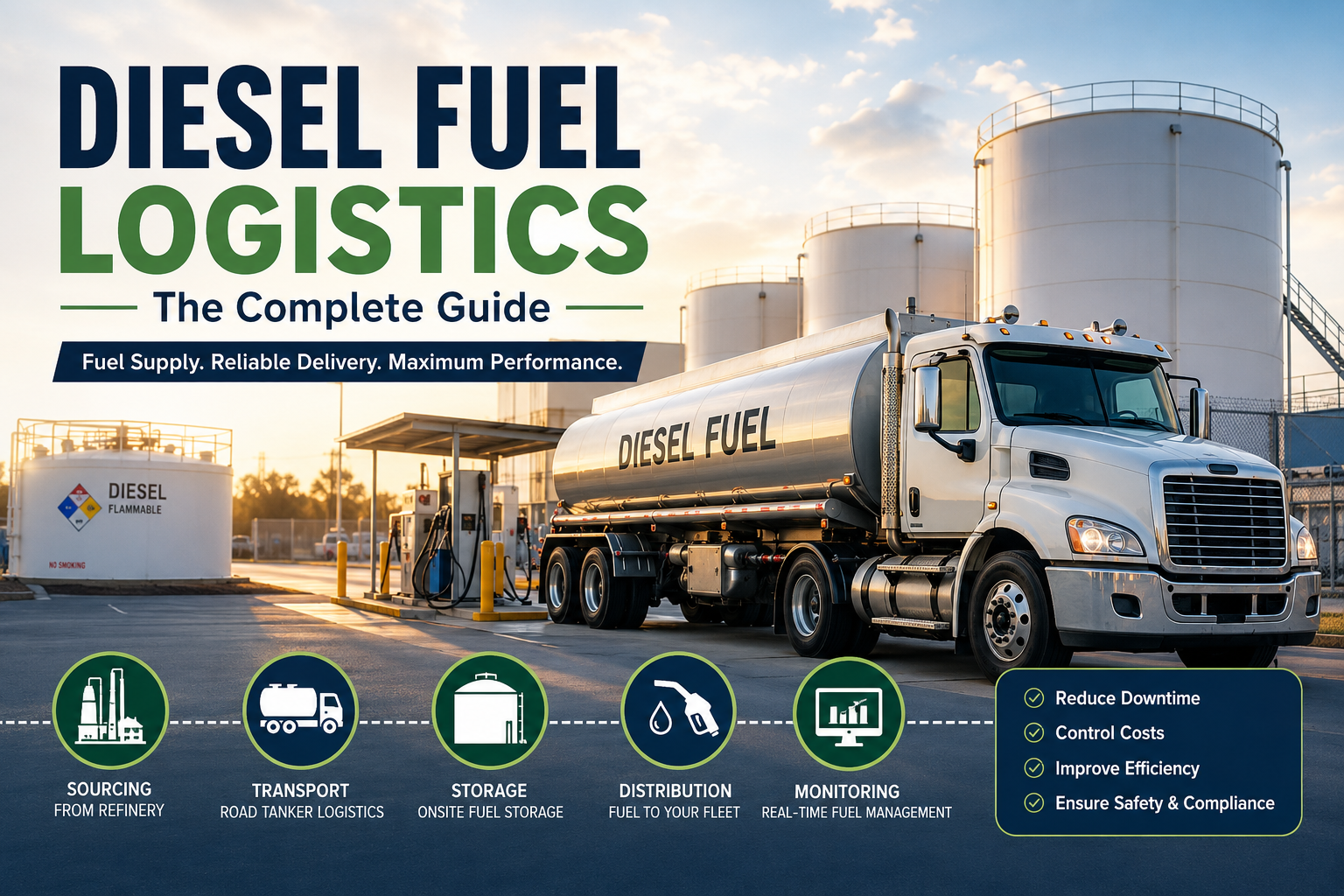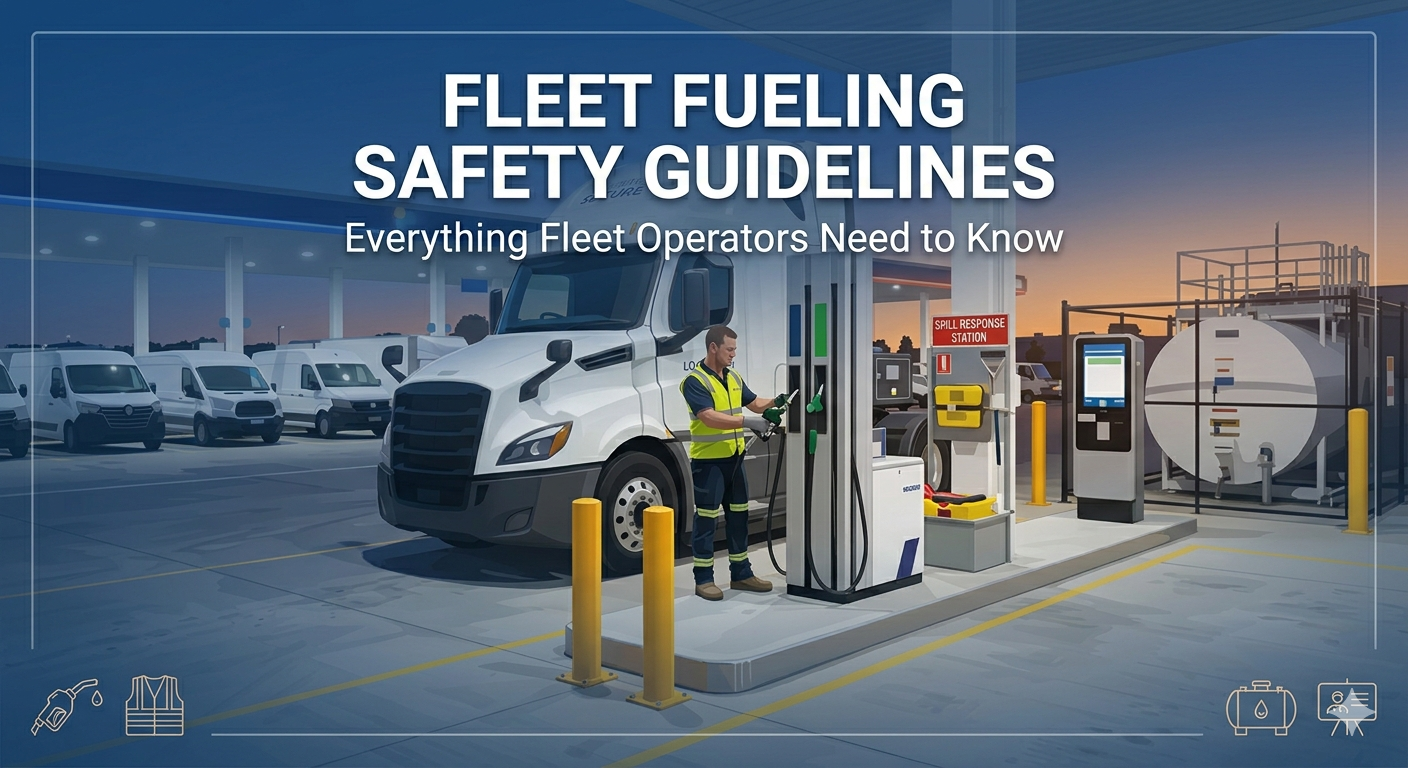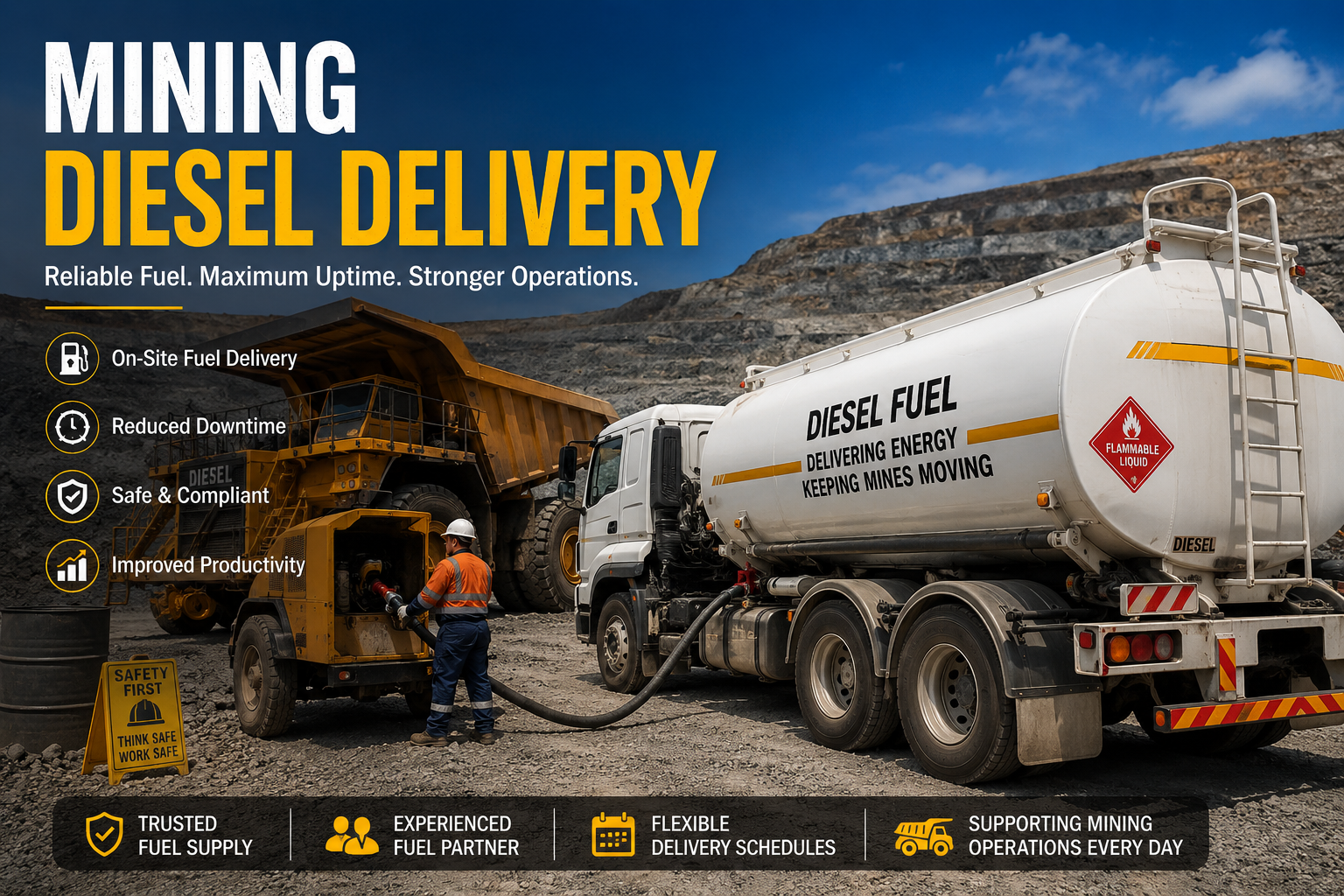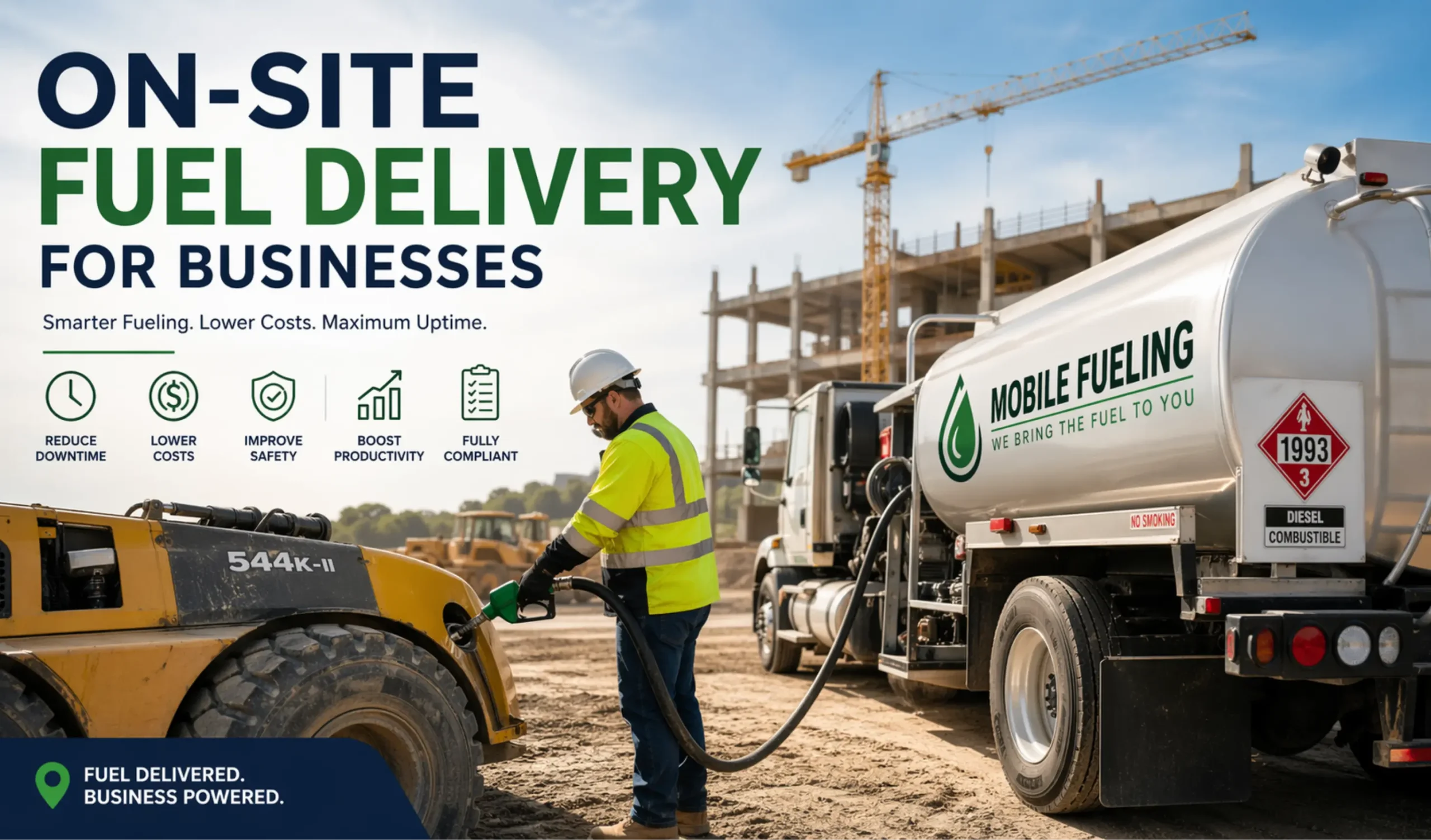
Onsite fuel delivery is a service that brings diesel, gasoline, and DEF directly to fleets, job sites, and industrial facilities. It removes the need for vehicles to refuel at gas stations and reduces downtime. Businesses use it to improve productivity, control fuel costs, and simplify fleet management while maintaining safety and compliance in daily operations.
Businesses with fleets, heavy equipment, or generators depend on fuel availability every hour of the day. Delays at fueling stations reduce productivity and increase operational costs. Onsite fuel delivery solves this by bringing fuel directly to equipment and vehicles where they operate. In simple terms, onsite fuel delivery helps businesses keep assets running without interruption. It reduces downtime, improves scheduling control, and supports continuous operations across construction sites, logistics yards, and industrial facilities.
What is On-Site Fuel Delivery?
On-site fuel delivery is a mobile fueling service where certified fuel trucks deliver diesel, gasoline, or DEF directly to your location. Instead of sending vehicles to a gas station, fleets are refueled where they work.
This includes:
- Construction sites with heavy machinery
- Fleet yards with trucks and vans
- Industrial facilities and warehouses
- Generator-powered operations
It supports both scheduled and emergency fueling based on operational needs.
The Growing Need for Smarter Fueling Solutions
The Productivity Drain: Fuel Stops Waste Time
Every fuel stop interrupts operations. For fleets running multiple routes per day, this downtime compounds into lost revenue and delayed deliveries.
Hidden Costs in Traditional Fueling
Retail fuel stops introduce:
- Higher per-gallon costs
- Inefficient routing
- Fuel theft risks
- Poor fuel tracking
Safety and Compliance Pressure
Managing fuel transport internally increases exposure to spills, DOT violations, and unsafe handling practices.
Defining Mobile Fueling Services
Mobile fueling service means fuel arrives directly at your equipment using specialized bobtail trucks. These trucks carry bulk diesel fuel, DEF, or gasoline and refuel equipment on-site.
The Process: Order to Refuel
- Fleet manager submits fuel request
- Route is optimized through fuel management system
- Fuel delivery truck arrives on-site
- Equipment or tanks are refueled safely
- Digital records are generated automatically
This improves operational visibility and reduces manual reporting.
Core Benefits of On-Site Fueling
Productivity Gains
Equipment stays active instead of waiting in fuel lines.
Cost Control
Bulk fuel delivery reduces retail markup exposure.
Operational Efficiency
Fuel arrives based on fuel consumption patterns.
Safety Compliance
DOT and HAZMAT certified operators handle all fueling.
Fleet Optimization
Fleet managers gain real-time control over fueling schedules.
Fuel Types and Service Options
Businesses rely on multiple fuel types depending on operations:
- Ultra Low Sulfur Diesel (ULSD)
- Clear Diesel and Dyed Diesel
- Biodiesel and renewable diesel blends
- Gasoline (unleaded fuel)
- DEF (Diesel Exhaust Fluid)
- Heating oil for equipment or facilities
Special services also include generator fueling and emergency delivery services during outages.
Fuel Management and Technology Integration
Modern fuel delivery service providers use digital tools:
- Fleet Portal for fuel requests
- Telematics integration for fuel tracking
- Tank monitoring systems
- Digital documentation and billing
- Fuel theft prevention alerts
These systems improve transparency and reduce fuel loss.
Industry Applications
Construction Sites
Keeps heavy equipment running without delays during critical project timelines.
Transportation & Logistics
Supports fleet fueling services for trucks operating across long routes.
Industrial Facilities
Ensures uninterrupted production lines and backup generator fueling.
Agriculture
Supports seasonal fueling for tractors and harvesting equipment.
Municipal Fleets
Reliable fueling for public works, emergency vehicles, and utilities.
Cost vs Efficiency Overview
| Factor | Traditional Fueling | On-Site Fuel Delivery |
| Downtime | High | Low |
| Fuel Cost | Retail pricing | Bulk pricing |
| Labor Usage | High | Reduced |
| Tracking | Manual | Automated |
| Safety Risk | Medium to High | Controlled |
Pros and Cons
Pros
- Reduces downtime significantly
- Improves fuel cost efficiency
- Enhances fleet visibility
- Strengthens safety compliance
- Supports emergency fueling needs
Cons
- Requires scheduling coordination
- Needs on-site fuel storage or access planning
- Dependent on provider coverage area
Common Mistakes to Avoid
- Ignoring fuel consumption tracking
- Using inconsistent fueling schedules
- Poor tank monitoring practices
- Not planning emergency fueling access
- Overlooking compliance requirements (NFPA 30A, DOT standards)
When On-Site Fueling Makes Sense
This model works best when:
- Equipment runs continuously on job sites
- Fleets operate across tight delivery schedules
- Fuel costs are rising due to retail dependency
- Generators require backup readiness
- Logistics operations demand high uptime
Key Takeaways
- On-site fueling reduces operational downtime
- Bulk delivery improves cost efficiency
- Fuel management systems increase visibility
- Safety compliance is stronger than self-fueling
- It supports fleets, construction, and industrial operations
Conclusion
On-site fuel delivery helps businesses eliminate fuel-related downtime and improve operational control. It strengthens fleet performance, reduces inefficiencies, and supports safer fuel handling. For companies that depend on uptime, it becomes a core part of modern fleet and equipment management strategy.
FAQs
It is a service that delivers fuel directly to equipment, fleets, or generators at your location.
Yes, it follows DOT and HAZMAT certified procedures for safe handling and transport.
Yes, bulk pricing and reduced downtime lower overall operating expenses.
Yes, emergency fueling is available for outages or unexpected fuel shortages.
Construction, logistics, agriculture, industrial plants, and municipal fleets.
Yes, on-site fuel tanks are often used for storage and continuous fueling operations.