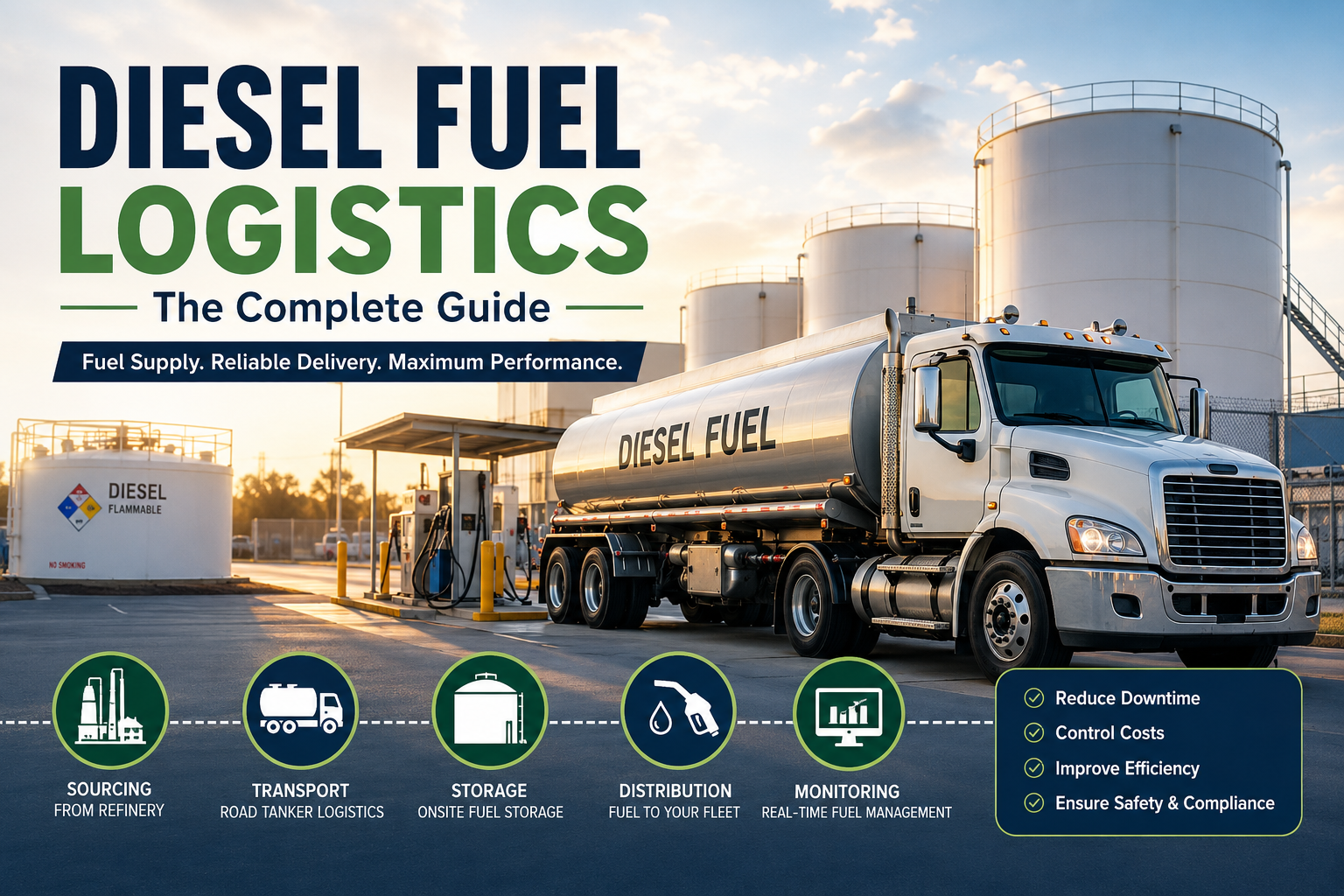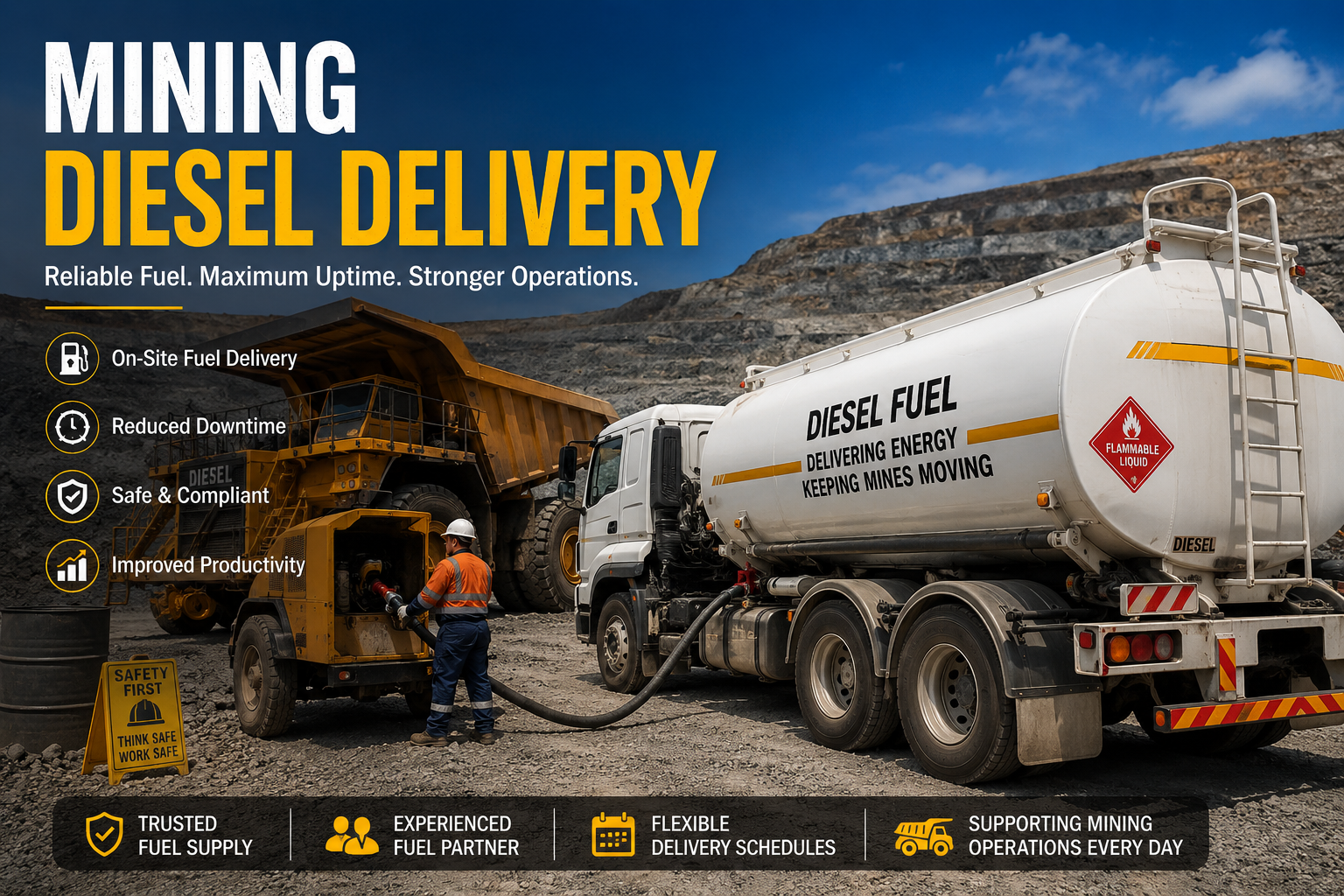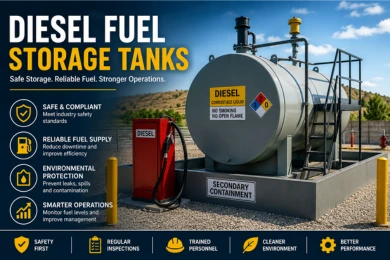
Diesel fuel storage tanks are specialized containers designed to safely store diesel fuel for generators, fleets, farms, construction sites, and commercial operations. The right tank helps you prevent fuel contamination, reduce downtime, improve fuel management, and meet environmental safety standards.
If your business relies on diesel-powered equipment, fuel storage is more than convenience it directly affects operations, safety, and costs. Whether you manage a fleet in Texas or run backup generators for a warehouse, choosing the correct storage system can prevent expensive problems later. But how do you know which diesel tank setup is right for your needs?
Table of Contents
- TL;DR Quick Summary
- What Are Diesel Fuel Storage Tanks?
- Why Are Diesel Storage Tanks Important?
- How Do You Choose The Right Tank?
- What Safety Standards Matter Most?
- How Should Diesel Fuel Be Stored?
- What Maintenance Helps Prevent Problems?
- Common Mistakes Businesses Make
- Pro Tips And Safety Advice
- FAQs
- Final Thoughts
Quick Summary
Diesel fuel storage tanks help businesses safely store and manage fuel for equipment, vehicles, and backup power systems.
The best tank depends on your fuel usage, location, regulations, and environmental risks.
Regular inspections, proper ventilation, spill prevention, and fuel testing improve safety and fuel quality.
Modern tanks also help reduce downtime and improve operational efficiency.
What Are Diesel Fuel Storage Tanks?
Diesel fuel storage tanks are engineered systems used to store diesel fuel safely for commercial or industrial use. They come in different sizes, materials, and configurations depending on operational needs.
Common types include:
- Above-ground storage tanks (ASTs)
- Underground storage tanks (USTs)
- Double-wall fuel tanks
- Portable diesel tanks
- Skid-mounted tanks
- Generator base tanks
Most businesses prefer above-ground double-wall tanks because they are easier to inspect and maintain.
Why Are Diesel Storage Tanks Important?
Diesel storage tanks help businesses maintain fuel availability during emergencies, busy operating periods, or power outages. They also reduce the need for constant fuel deliveries.
Key operational benefits include:
- Better fuel supply control
- Reduced equipment downtime
- Faster fleet fueling
- Emergency generator readiness
- Lower fuel transportation delays
- Improved fuel security
For example, many construction companies learned during severe weather events that on-site diesel reserves helped keep operations running when local supply chains were disrupted.
How Do You Choose The Right Tank?
Choosing the correct diesel fuel storage tank depends on your usage volume, location, and compliance requirements. Start by understanding how much fuel your operation consumes weekly or monthly.
Follow These Steps Before Buying
- Calculate your average fuel consumption
- Determine available installation space
- Check local environmental regulations
- Decide between portable or permanent storage
- Choose single-wall or double-wall protection
Important Tank Features To Consider
- Corrosion-resistant materials
- Leak detection systems
- Secondary containment
- Fuel monitoring technology
- Lockable access points
- Weather-resistant coatings
Businesses operating in colder regions often require fuel heaters or insulated systems to maintain fuel flow during winter.
What Safety Standards Matter Most?
Fuel storage safety standards protect your workers, property, and environment from spills, fires, and contamination. Businesses should follow local fire codes and environmental regulations carefully.
Industry best practices often reference standards from organizations such as:
- National Fire Protection Association (NFPA)
- Environmental Protection Agency (EPA)
- Occupational Safety and Health Administration (OSHA)
Critical Safety Requirements
- Proper tank labeling
- Spill containment systems
- Emergency shut-off access
- Fire extinguisher placement
- Routine inspection schedules
- Safe distance from ignition sources
Many companies in industrial areas around Houston and other heavy-equipment regions now prioritize double-wall containment because environmental compliance penalties have increased significantly.
How Should Diesel Fuel Be Stored?
Diesel fuel should be stored in clean, dry, temperature-controlled conditions whenever possible. Poor storage practices often lead to fuel degradation, microbial growth, or water contamination.
Best Practices For Fuel Storage
- Keep tanks sealed tightly
- Minimize water exposure
- Use fuel stabilizers if needed
- Avoid storing old fuel too long
- Inspect vents and caps regularly
- Test fuel quality periodically
Fuel contamination is one of the most common reasons generator systems fail during emergencies. Even small amounts of water inside a tank can damage injectors and filters.
What Maintenance Helps Prevent Problems?
Routine maintenance keeps diesel storage tanks safe, compliant, and operational. Businesses that ignore inspections often face costly repairs or fuel quality issues later.
Essential Tank Maintenance Tasks
- Inspect for leaks and corrosion
- Remove water buildup from tank bottoms
- Check gauges and monitoring systems
- Test fuel condition regularly
- Clean tanks when contamination appears
Signs Your Tank Needs Attention
- Strong fuel odors
- Rust formation
- Slow equipment performance
- Fuel discoloration
- Alarm system warnings
Preventive maintenance usually costs far less than emergency fuel cleanup or equipment replacement.
Can Diesel Fuel Storage Tanks Improve Efficiency?
Yes, diesel storage tanks can improve operational efficiency by reducing fueling delays and improving fuel availability. Businesses with high fuel demand often save time through centralized fueling systems.
Operational improvements may include:
- Faster equipment turnaround
- Better fuel inventory tracking
- Reduced emergency fuel orders
- Improved fleet scheduling
- Lower delivery interruptions
Modern smart tanks also provide remote fuel monitoring, helping businesses track usage and detect unusual fuel loss early.
What Mistakes Should Businesses Avoid?
Many fuel storage problems happen because businesses underestimate long-term maintenance and compliance needs.
Common Fuel Storage Mistakes
- Choosing undersized tanks
- Ignoring local regulations
- Skipping fuel quality testing
- Delaying inspections
- Using poor spill protection
- Storing fuel too long
Another frequent mistake is placing tanks in areas with poor drainage. Water accumulation around tanks can accelerate corrosion and environmental risks.
Pro Tips And Safety Advice
Smart Fuel Storage Recommendations
- Use double-wall tanks for added protection
- Train employees on spill response procedures
- Install fuel monitoring systems
- Schedule annual professional inspections
- Keep detailed maintenance records
- Rotate stored fuel regularly
If your business depends heavily on generators or fleet vehicles, consider creating an emergency fueling plan before severe weather or supply disruptions occur.
FAQs
Diesel fuel typically remains usable for 6 to 12 months under proper storage conditions. Fuel stabilizers and regular testing can extend storage life.
Above-ground tanks are generally easier to inspect, maintain, and monitor for leaks compared to underground systems.
Yes, many commercial installations require permits and inspections depending on tank size and local regulations.
The correct size depends on fuel consumption, equipment demand, and emergency reserve requirements.
Yes, water contamination can cause microbial growth, clogged filters, corrosion, and engine damage.
Most businesses perform monthly visual inspections and annual professional evaluations for safety and compliance.
Final Thoughts
Diesel fuel storage tanks are essential for businesses that depend on reliable fuel access. The right storage system improves operational stability, protects fuel quality, and helps your company stay compliant with safety regulations.
By investing in proper maintenance, monitoring, and safety planning, you can reduce risks while keeping your operations running smoothly during both normal conditions and emergencies.