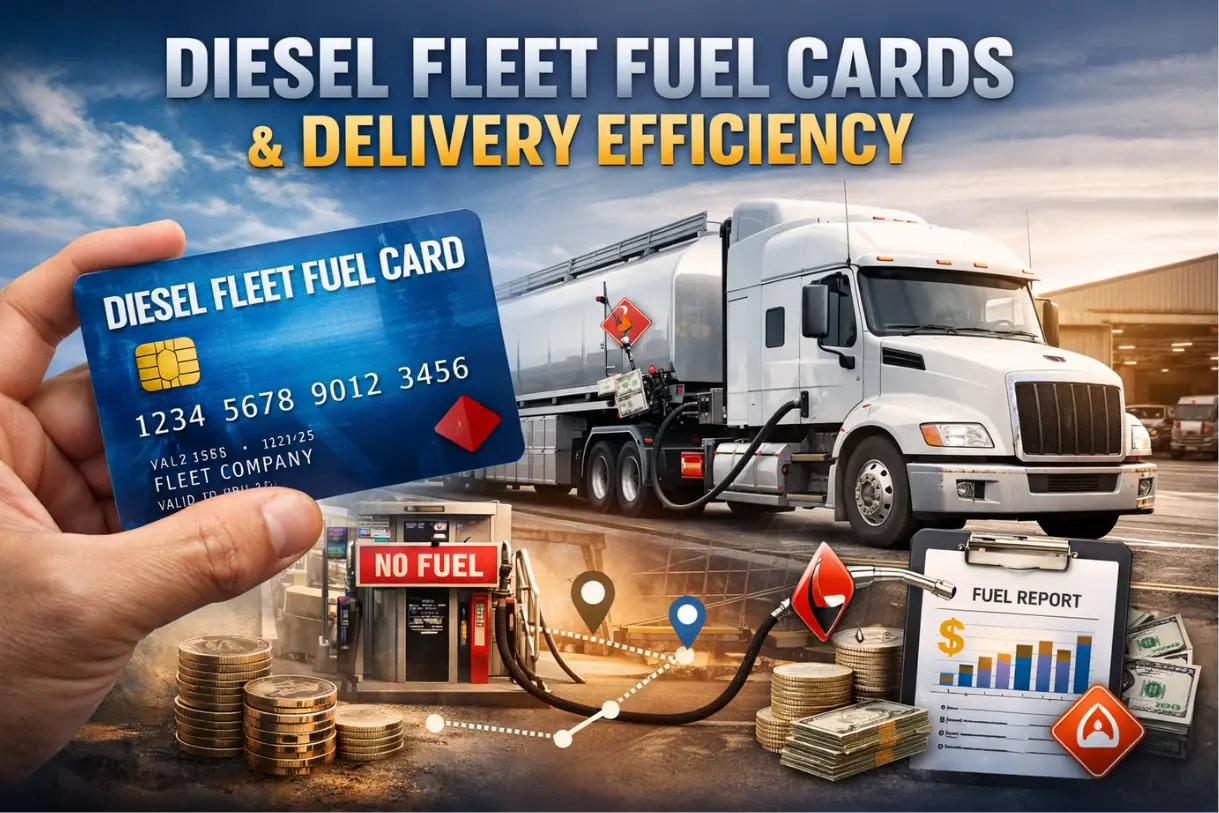
Diesel fleet fuel cards improve tracking and control, but they do not solve inefficiencies caused by off-site fueling. On-site diesel delivery removes wasted trips, reduces fuel theft, and improves uptime. When fleets combine fuel cards with mobile fuel delivery, they gain better fuel management, lower costs, and stronger operational control across vehicles, job sites, and yards.
Fleet managers face constant pressure to reduce fuel costs and improve uptime. Fuel remains one of the largest operating expenses. Many fleets rely on diesel fleet fuel cards to track fuel usage and control spending. These tools help, but they do not address time loss, routing inefficiencies, or off-site fueling delays.
Defining Fleet Efficiency
Fleet efficiency means more than tracking fuel. It includes vehicle uptime, driver productivity, route optimization, and fuel consumption patterns. Every unnecessary stop at a gas station reduces efficiency and increases labor costs.
Diesel Delivery as a Smarter Option
On-site fuel delivery changes how fleets operate. It removes the need for drivers to refuel off-site. This shift improves control, reduces downtime, and supports better fuel management.
Diesel Still Powers Fleet Operations
Why Diesel Remains Essential
Diesel engines deliver strong torque and high efficiency. Heavy-duty fleets rely on diesel fuel for long-haul routes, construction work, and industrial operations.
Performance and Reliability
Diesel supports consistent engine performance and longer operating cycles. It also handles high-load conditions better than many alternatives.
Mission-Critical Use Cases
Generators, construction equipment, and logistics fleets depend on reliable fuel supply. Delays in fueling can disrupt entire operations.
Problems with Traditional Fueling
Hidden Costs of Off-Site Fueling
Drivers spend time traveling to fuel stations. This increases labor costs and reduces productive hours. Fuel cards track spending, but they do not prevent wasted time.
Lack of Visibility
Fuel cards provide transaction data, but they do not show real-time fuel usage or consumption patterns. Managers often lack full visibility across fleet vehicles.
Operational Bottlenecks
Fuel stops create scheduling conflicts. Drivers may refuel at different times, causing inconsistency in operations.
Diesel Delivery: A Strategic Shift
What is On-Site Diesel Delivery
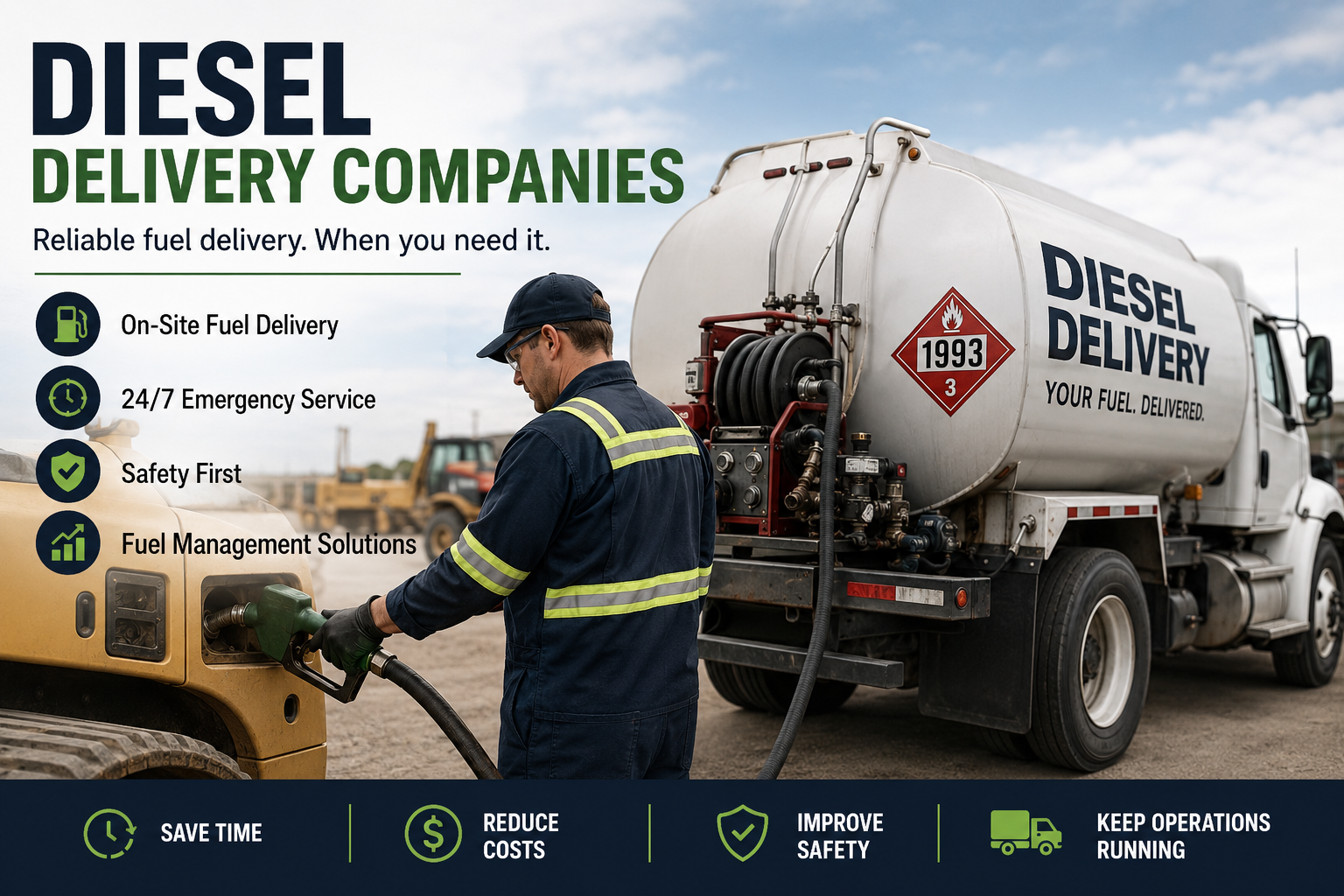
On-site fueling delivers diesel directly to fleet yards, job sites, or equipment. Vehicles refuel during off-hours or while parked.
How Direct Diesel Delivery Works
A fuel delivery provider schedules deliveries based on fleet size and usage. Fuel gets dispensed into vehicles or storage tanks without interrupting operations.
Key Efficiency Benefits
Cost Savings
On-site fueling reduces labor hours and eliminates unnecessary trips. It also lowers fuel theft risks through controlled delivery and tracking.
Productivity Gains
Drivers stay focused on routes instead of searching for fuel stations. Fleet operations run without interruption.
Better Fuel Management
Managers gain control over fuel usage, fuel logs, and consumption data. This supports accurate fuel cost management and forecasting.
Safety and Compliance
On-site fueling reduces risks at public fuel stations. It also supports compliance with EPA standards and proper fuel handling protocols.
Fuel Cards vs On-Site Delivery
| Factor | Fuel Cards | On-Site Diesel Delivery |
| Fuel Tracking | Transaction-based | Real-time usage tracking |
| Driver Time | Lost at stations | No downtime |
| Fuel Theft Risk | Moderate | Low |
| Cost Control | Limited | High |
| Operational Efficiency | Moderate | High |
Fuel Quality Matters
Beyond Just Diesel
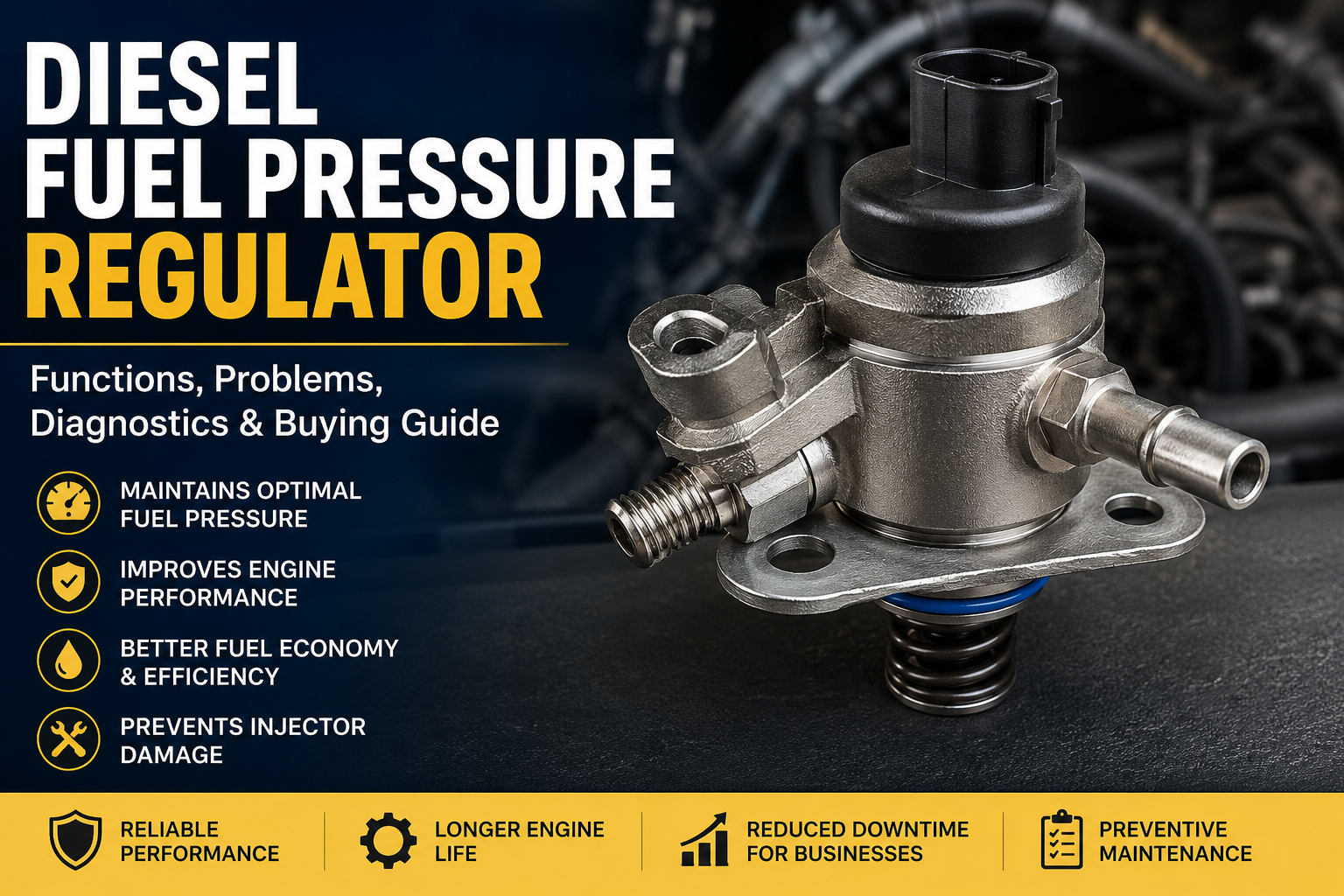
Fuel quality affects engine performance and maintenance costs. Poor fuel leads to engine wear and system failures.
Common Fuel Issues
Microbial growth, contaminated fuel tanks, and clogged fuel filters can reduce efficiency. These issues increase maintenance costs.
How Delivery Improves Quality
Professional fuel delivery providers maintain fuel quality through proper storage, filtration, and handling. This ensures consistent fuel performance across fleet vehicles.
Technology and Data Integration
Telematics and GPS Systems
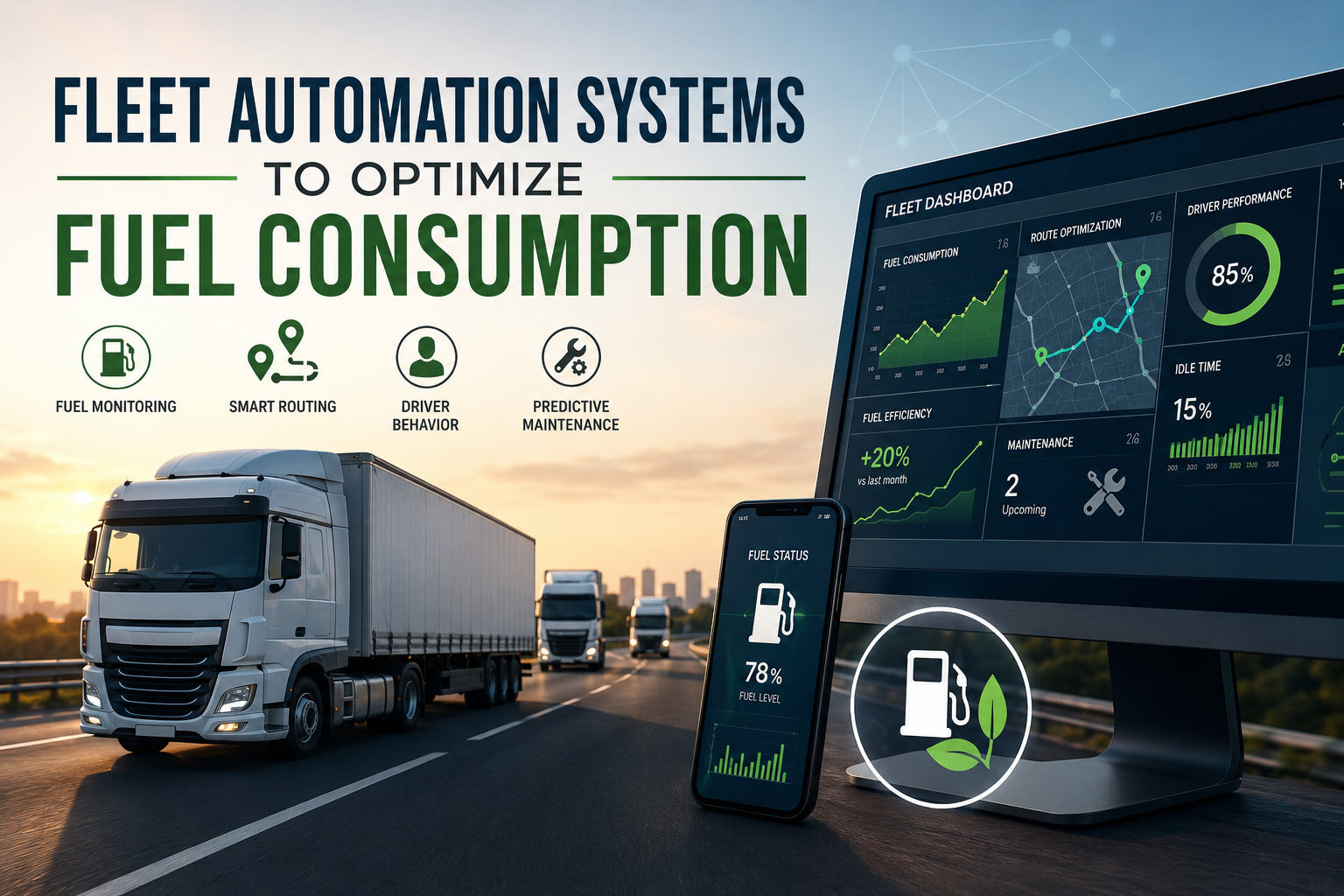
Modern fleets use GPS-enabled telematics to track routes, fuel usage, and driver behavior. These systems improve decision-making.
Data-Driven Fuel Management
Fuel delivery integrates with fleet management software. Managers can analyze fuel consumption patterns and optimize operations.
Supporting Fleet Goals
Data helps reduce fuel costs, improve route planning, and enhance driver training programs.
Choosing the Right Fuel Delivery Provider
Key Considerations
Look for reliability, scheduling flexibility, and strong safety protocols. A provider should support both routine and emergency diesel delivery needs.
Pricing and Agreements
Understand pricing models. Some providers offer fixed rates, while others adjust based on fuel market conditions.
Professional Support
Reliable customer service ensures smooth operations. Experienced providers help manage fueling logistics effectively.
Pros and Cons of Diesel Delivery
Pros
- Reduces fuel costs and labor hours
- Improves fleet efficiency and uptime
- Enhances fuel tracking and control
- Supports safety and compliance
Cons
- Requires scheduling coordination
- May need on-site fuel storage
- Initial setup can take time
Common Mistakes to Avoid
- Relying only on fuel cards without addressing inefficiencies
- Ignoring fuel quality and contamination risks
- Failing to track fuel consumption patterns
- Not integrating telematics with fuel management tools
- Choosing providers without strong safety protocols
When On-Site Fueling Makes Sense
- Large fleets with high daily fuel usage
- Construction and remote job sites
- Generator-dependent facilities
- Fleets focused on reducing downtime
- Operations with high fuel theft risk
Future of Fleet Fueling
Diesel in a Changing Landscape
Diesel remains critical for heavy-duty fleets. Electric vehicles and alternative fuels continue to grow, but infrastructure gaps still exist.
Renewable Diesel and Sustainability
Renewable diesel blends support sustainable fleet management without requiring major equipment changes.
Integrated Fueling Strategies
Combining diesel fleet fuel cards with on-site delivery creates a balanced approach. Fleets gain both control and operational efficiency.
Key Takeaways
- Fuel cards help track spending but do not eliminate inefficiencies
- On-site diesel delivery reduces downtime and improves productivity
- Fuel quality directly impacts engine performance and costs
- Data and telematics improve fuel management decisions
- Integrated fueling strategies deliver the best results
Conclusion
Diesel fleet fuel cards offer visibility, but they do not solve operational inefficiencies. On-site fuel delivery improves control, reduces downtime, and supports better fuel management. Fleets that combine both approaches gain stronger efficiency, lower costs, and more reliable operations.
FAQs
They track spending but do not reduce wasted time or improve fueling efficiency.
Yes. It follows strict safety protocols and reduces risks at public fuel stations.
Yes. Controlled fueling reduces unauthorized fuel usage and improves tracking.
Yes. Clean fuel improves efficiency and reduces maintenance issues.
It works best for medium to large fleets with consistent fuel usage.