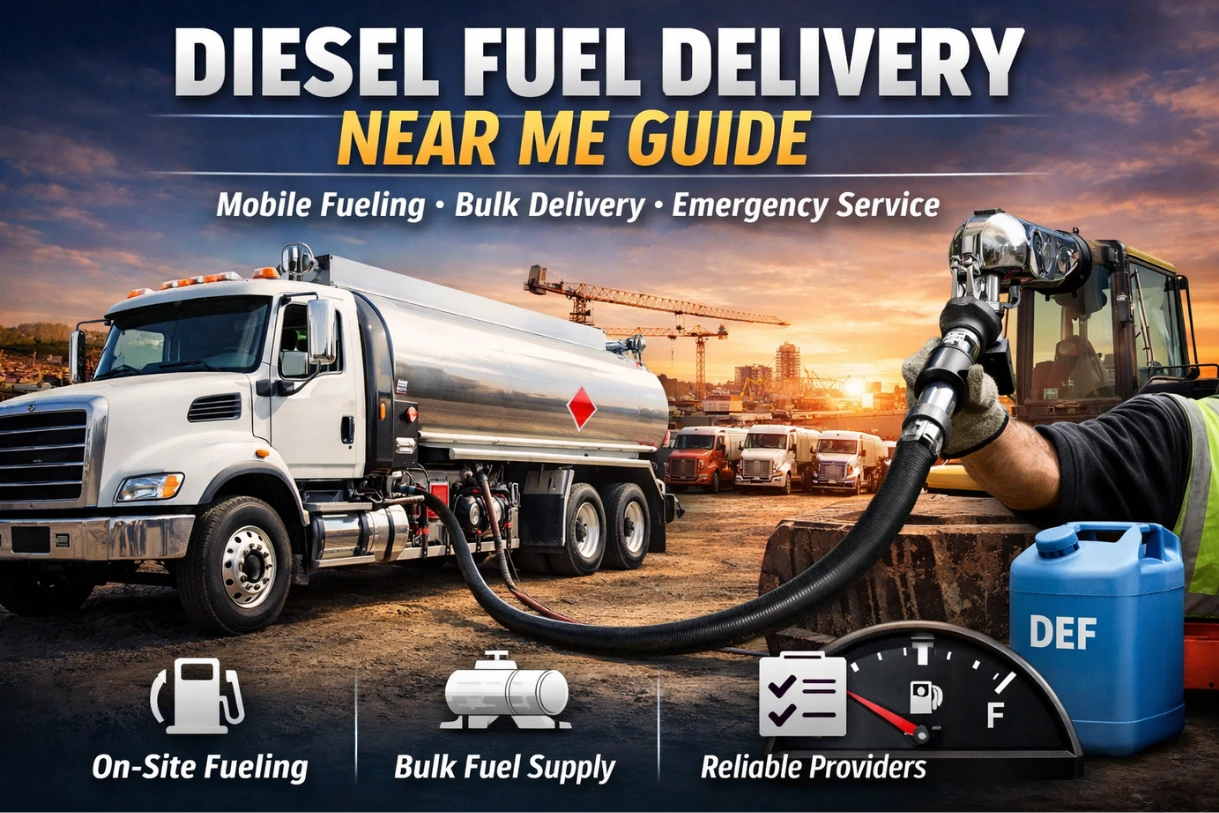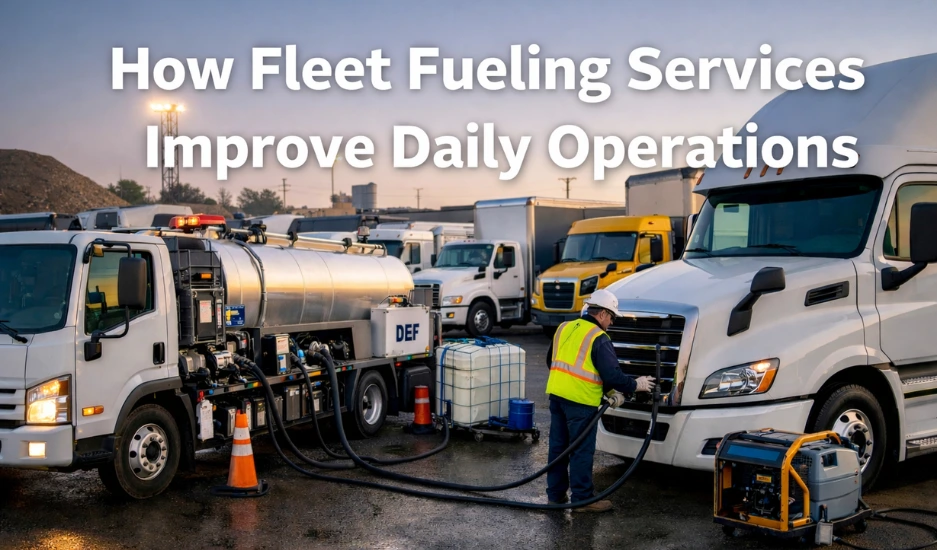
Fleet fueling services improve operations by bringing fuel directly to trucks, equipment, and generators at the right time and place. This reduces off-route fueling, saves labor hours, supports better scheduling, and helps operators protect uptime. For transport companies, on-site fueling can also improve yard control, emergency readiness, and fuel planning across daily routes.
Transport companies lose time in small ways every day. Drivers leave routes to refuel. Yard teams stop other tasks to manage fuel runs. Equipment sits idle while someone waits on a delivery or heads to a retail station. These delays add up fast.
That is why fleet fueling services matter. They move fueling from an unplanned task to a controlled operating process. Instead of sending vehicles out for fuel, companies bring fuel to the yard, terminal, site, or staging area. That simple shift can improve uptime, labor use, and daily coordination.
Why fueling creates hidden operational drag
Fuel is essential, but the process often stays disconnected from the rest of operations. Many transport companies still rely on drivers or field teams to handle fueling during the workday. That creates several problems:
- Lost route time
- More vehicle movement inside and outside the yard
- Unclear fuel accountability
- Extra wear from unnecessary trips
- Higher risk of delays during peak demand or emergencies
When fueling happens on-site and on schedule, managers gain more control. They know when fueling happens, where it happens, and how it supports dispatch, maintenance, and shift planning.
How fleet fueling services support better operations
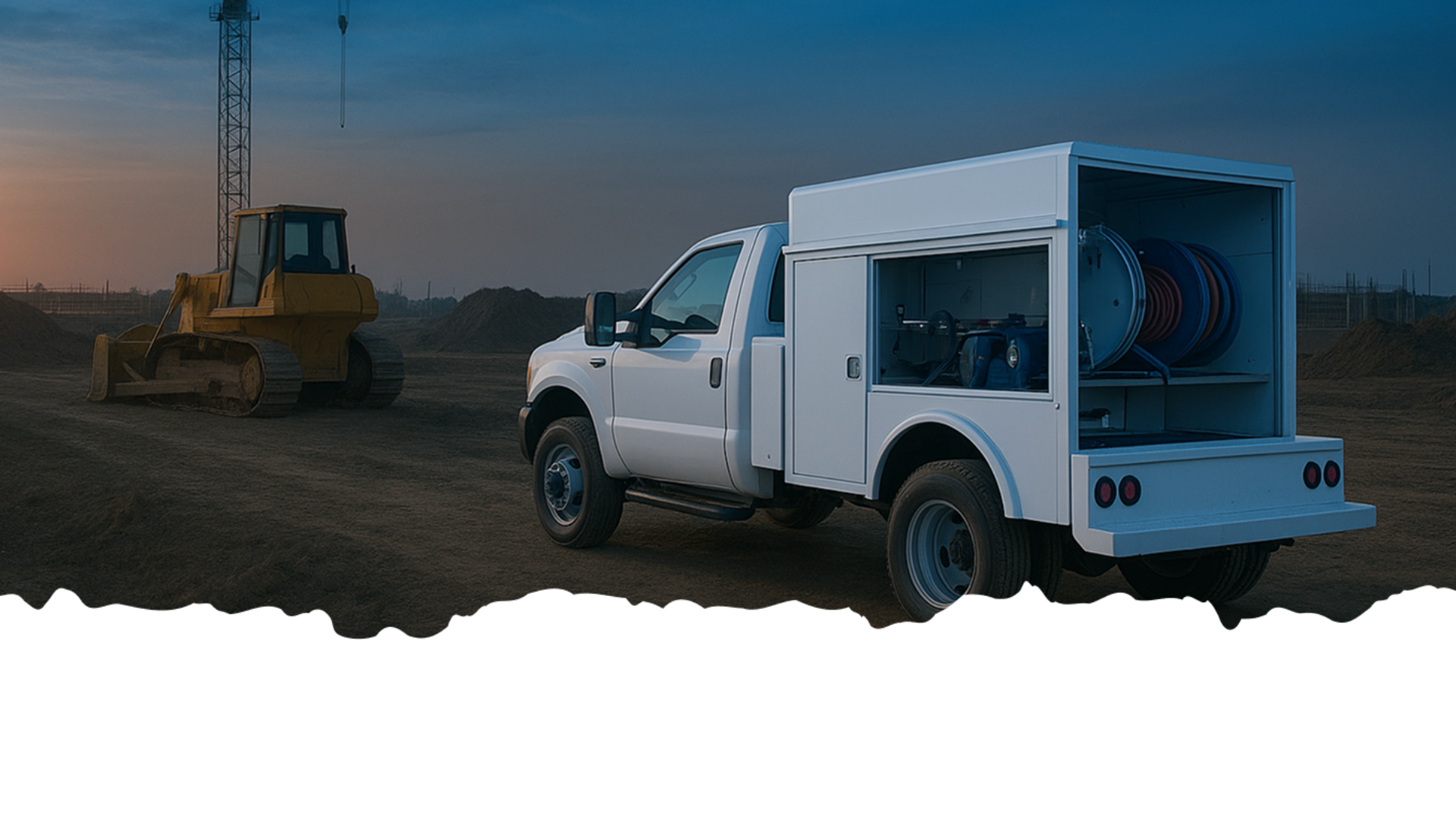
The biggest gain is not just convenience. It is operational structure.
Less downtime during working hours
Drivers and operators stay focused on assigned work. They do not need to stop at retail stations or leave a jobsite to refuel. That protects productive hours and reduces disruptions across routes.
For transport companies with early departures, overnight or pre-shift fueling can help every unit start the day ready to move. This is often where a related mobile diesel delivery solution fits naturally within broader fleet planning.
Better labor use in the yard
Fueling takes time. Someone must track levels, move units, arrange supply, and respond when fuel runs low. A scheduled provider can reduce that burden. Yard teams can spend more time on dispatch prep, inspections, maintenance coordination, and loading support.
This matters even more for mixed operations that manage road fleets, support vehicles, reefers, and standby equipment in the same yard.
Stronger scheduling and route discipline
Transport companies depend on timing. A missed start time affects the next stop, the next driver, and the next customer window. On-site fueling supports better dispatch discipline because vehicles leave ready for planned mileage.
It also reduces the need for last-minute fuel runs, which often create avoidable scheduling noise.
More control over fuel logistics
Fuel becomes easier to plan when it follows a repeatable service model. Managers can align deliveries with fuel burn, route volume, weather conditions, seasonal demand, and yard activity. This improves forecasting and supports better decisions during high-demand periods.
If a company also uses DEF, a coordinated DEF delivery schedule can simplify replenishment and reduce another common source of avoidable downtime.
Where this model works best
Not every transport company has the same operating profile, but on-site fueling works especially well when:
- vehicles return to a central yard each day
- units start early and need fuel before dispatch
- drivers cover tight route windows
- off-site fueling creates frequent delays
- the business runs mixed diesel equipment
- managers need tighter control over fuel use
Large yards benefit, but mid-sized fleets often see strong gains too. The value usually comes from consistency, not just scale.
Best fit for transport companies
This option makes the most sense for operators that view fuel as part of workflow design, not just a supply purchase.
Good fits include:
- regional trucking fleets
- local distribution operators
- municipal or contractor yards
- refuse and utility transport fleets
- construction support fleets with yard-based dispatch
- facilities that also depend on backup power or fixed equipment
A company with standby equipment may also need generator fueling support as part of a broader readiness plan, especially during storms, outages, or seasonal load spikes.
Operational comparison
| Fueling approach | Main benefit | Main drawback | Best use case |
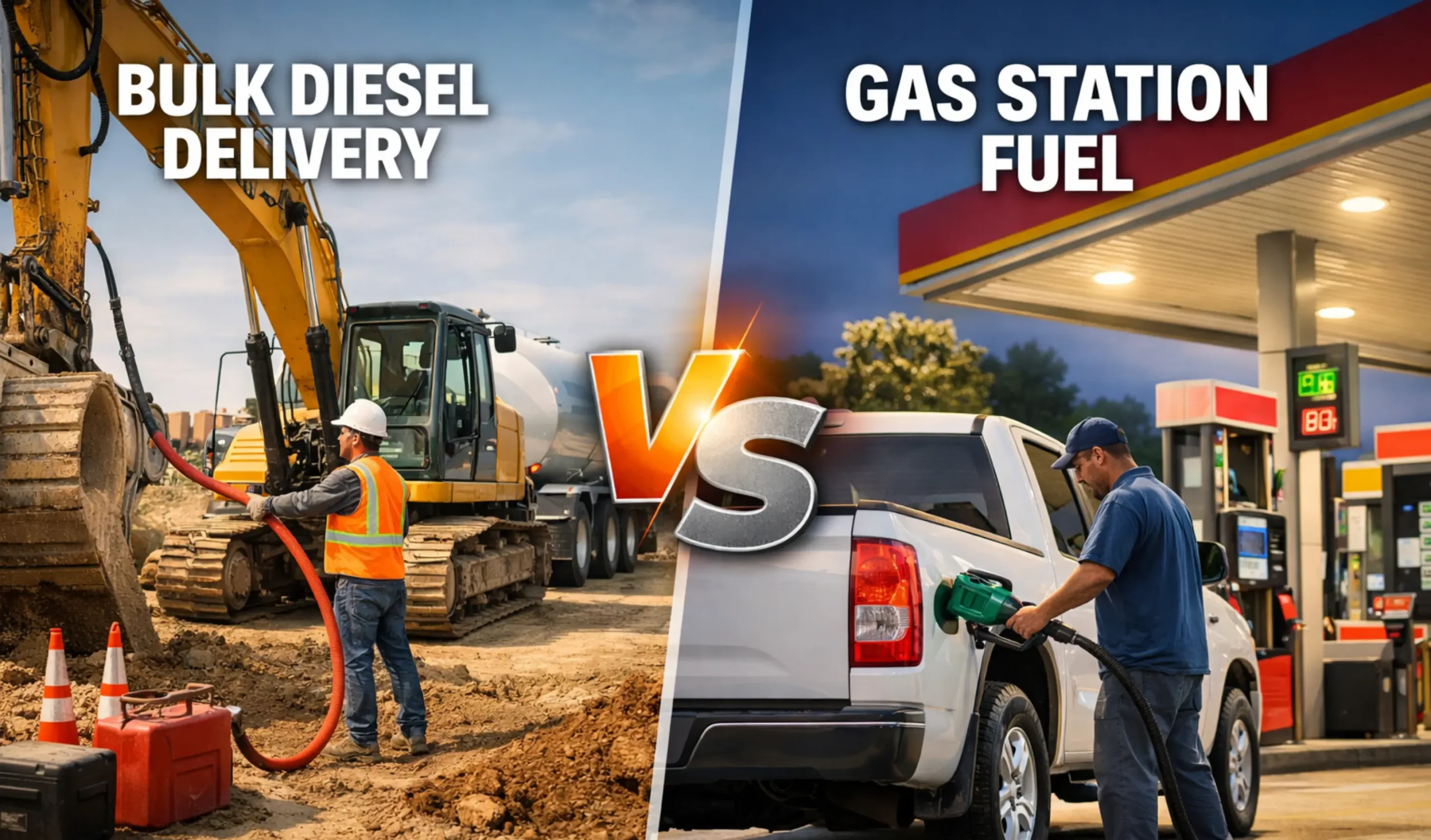
| Retail station fueling | Easy to start | Causes route delays and inconsistent tracking | Small fleets with no fixed yard |
| On-site scheduled fueling | Predictable and efficient | Needs planning and vendor coordination | Yard-based transport operations |
| On-call emergency fueling | Fast response during disruptions | Higher cost if used too often | Breakdowns, outages, urgent shortfalls |
| Jobsite or remote fueling | Supports equipment availability | Requires site access and logistics planning | Long projects and active field operations |
Pros and Cons
Pros
- Reduces off-route fueling time
- Improves daily dispatch readiness
- Supports better labor allocation
- Helps managers plan fuel logistics more accurately
- Can improve fuel accountability across vehicles and equipment
- Supports combined service needs, such as diesel and DEF
Cons
- Requires clear scheduling and communication
- Works best when return patterns are predictable
- Poor tank data can reduce service accuracy
- Emergency-only use can become expensive if planning stays weak
Common mistakes to avoid
Treating fueling as a last-minute task
Reactive fueling creates more downtime and more internal disruption. Planned service works better than constant catch-up.
Ignoring yard flow
Fuel trucks need safe access, clear timing, and defined fueling areas. Good site flow improves safety and speed.
Overlooking DEF coordination
Some fleets manage diesel well but forget DEF until a warning light appears. That creates preventable downtime.
Using emergency delivery as a routine process
An emergency diesel delivery option is important, but it should support the operation, not replace planning.
Failing to connect fueling with maintenance and dispatch
Fueling decisions should match route schedules, equipment needs, and service windows. Operations improve when these teams coordinate.
Fueling, safety, and compliance
Fueling is not only about speed. It also affects safety and control. A structured process helps reduce unnecessary vehicle movement, limits ad hoc container use, and supports cleaner site practices. It can also improve recordkeeping when companies need clearer visibility into fuel activity.
For fleets that operate across long projects, yards, and active worksites, this becomes a broader fuel logistics issue. In those cases, a dedicated diesel delivery service can support both routine demand and changing field conditions without forcing teams to improvise.
Key Takeaways
- On-site fueling reduces route interruptions and protects productive hours.
- Better fuel planning supports uptime, labor efficiency, and dispatch control.
- Transport companies gain the most when fueling follows a repeatable schedule.
- Diesel and DEF coordination helps prevent avoidable equipment downtime.
- Emergency support matters, but strong planning should drive the daily model.
Conclusion
For transport companies, fleet fueling services improve operations by turning fuel into a planned support function instead of a daily interruption. That helps protect uptime, reduce wasted labor, and improve control across routes, yards, and equipment. When fueling aligns with dispatch, maintenance, and site needs, the whole operation runs with fewer delays and better predictability.
FAQs
They usually include on-site diesel supply, scheduled yard fueling, tank support, DEF replenishment, and emergency response when needed.
Yes. Small and mid-sized fleets can save time if vehicles return to one yard and follow a consistent dispatch schedule.
No. It can also support trailers, generators, construction equipment, and mixed diesel assets in one operating location.
It prevents avoidable downtime, supports emissions-system readiness, and keeps diesel units available for planned work.
Use it for outages, missed deliveries, weather issues, or urgent shortages, not as the main fueling strategy.