
Fleet Fueling Safety Guidelines: Everything Fleet Operators Need to Know
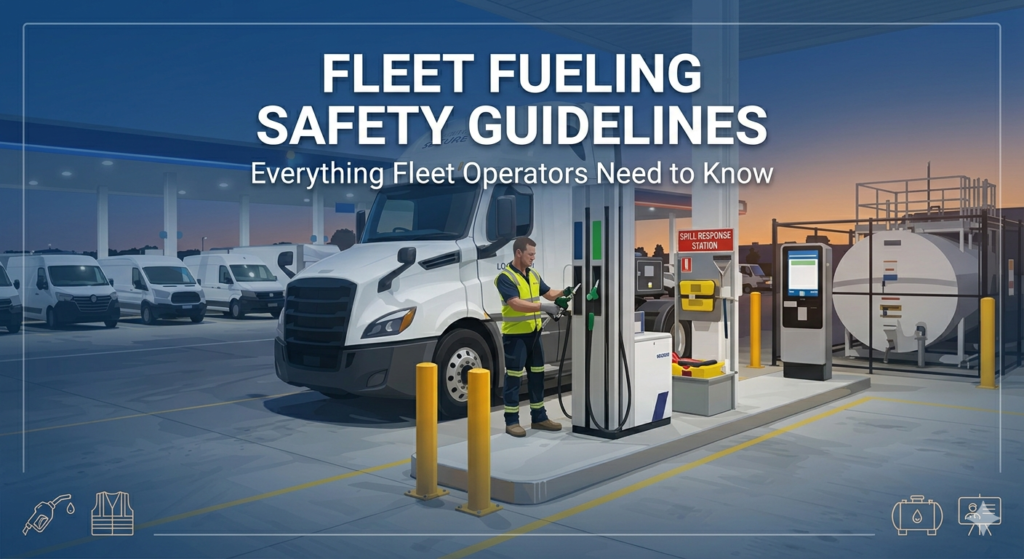
Managing a fleet comes with serious responsibilities , and fueling is one of the most critical. Fleet Fueling Safety Guidelines exist to protect drivers, vehicles, the environment, and business operations from preventable accidents and costly disruptions. In this article, readers will discover practical safety tips, best practices for on-site and off-site fueling, how to prevent fuel spills, the importance of driver safety training, and how a solid fuel management system can keep commercial fleets running smoothly and safely every single day. Introduction Managing a commercial fleet is no small task, and fueling operations sit right at the heart of keeping everything moving. Whether a fleet consists of ten delivery vans or hundreds of long-haul trucks, the way fueling is handled has a direct impact on driver safety, vehicle performance, environmental compliance, and overall business continuity. Fleet Fueling Safety Guidelines are not just a box to tick, they are a living, breathing framework that protects people, assets, and operations from serious harm. This guide walks fleet managers, drivers, and business owners through everything they need to know: from everyday Fleet Fueling Safety Tips to emergency preparedness, fuel spill prevention, and the role of modern technology in streamlining Fleet Operations. Why Fleet Fueling Safety Matters The fueling process might seem routine, but it carries real risks. Fuel is flammable, spills happen, and human error is always a factor. According to industry data, a significant proportion of fuel-related incidents occur not during transport but during the actual fueling process itself at depots, on roadsides, or at third-party fuel stations. For businesses that rely on Commercial Fleet Fueling, a single serious incident can lead to vehicle downtime, environmental fines, legal liability, and reputational damage. On a broader scale, poor fueling practices erode Fuel Efficiency, drive up operational costs, and put drivers at unnecessary risk. That is precisely why clear, actionable Fleet Fueling Safety guidelines are not optional they are essential. Core Fleet Fueling Safety Tips Every Operator Should Follow Implementing the right Fleet Fueling Safety Tips from day one sets the foundation for a safer, more efficient operation. Here are the non-negotiables that every fleet should have in place. 1. Never Fuel Near Open Flames or Heat Sources Fuel vapours are highly flammable and can ignite well before liquid fuel does. All fueling whether On-Site Fueling or Off-Site Fueling must take place away from open flames, running engines where possible, and any equipment that generates sparks or heat. 2. Always Ground the Vehicle Before Fueling Static electricity is a surprisingly common cause of fuel fires. Before beginning any Direct-to-Truck Fueling process, drivers and fueling personnel should ensure the vehicle is properly grounded to prevent static discharge. 3. Use the Right Fuel for the Right Vehicle Misfuelling putting the wrong fuel type into a vehicle causes serious engine damage and can create unexpected fire hazards. Clear labelling at fueling points, combined with vehicle-specific fuel cards in a Fuel Management System, virtually eliminates this risk. 4. Never Leave a Fueling Vehicle Unattended A vehicle being fueled should always be supervised. Overfilling, hose disconnections, and equipment malfunctions can happen quickly, and an unattended nozzle can turn a minor issue into a major Fuel Spill Prevention failure. 5. Keep Fire Extinguishers Accessible at All Times Every fueling location whether a fixed depot or a mobile fueling point should have appropriate fire suppression equipment within immediate reach and regularly inspected as part of routine Vehicle Maintenance. On-Site vs. Off-Site Fueling: Key Safety Differences Fleet operators typically manage fueling through one of two broad approaches: On-Site Fueling or Off-Site Fueling. Each has its own safety profile and requirements. On-Site Fueling On-Site Fueling involves fueling vehicles at a dedicated company facility, often via fixed fuel storage tanks or a mobile fueling unit on the premises. This approach gives fleet managers the greatest level of control over fueling procedures, safety protocols, and fuel usage tracking. Benefits include: Safety priorities for on-site operations include proper tank maintenance, bunded storage areas to contain spills, regular inspection of fueling equipment, and clearly marked emergency shut-off points. Off-Site Fueling Off-Site Fueling takes place at public or commercial fuel stations and is common for long-distance routes or drivers operating far from a home depot. While convenient, it introduces variables that on-site operations do not have different equipment standards, unfamiliar layouts, and less oversight. Fleet operators should ensure drivers receive specific Driver Safety Training covering off-site fueling hazards, including how to identify faulty nozzles, how to handle spills away from the depot, and who to contact in an emergency. Bulk Fuel Delivery: Safety Considerations for Large-Scale Operations Many commercial fleets rely on Bulk Fuel Delivery to keep their on-site tanks topped up. While this reduces the frequency of fueling events, each delivery carries its own set of safety requirements. Receiving a Bulk Delivery Safely Bulk deliveries should be conducted by trained and certified fuel delivery personnel, and fleet managers should request proof of training and compliance from all Commercial Fuel Delivery suppliers they work with. Direct-to-Truck Fueling: Efficiency with Responsibility Direct-to-Truck Fueling where a fuel tanker comes directly to vehicles in the field or at a depot and fuels them without the driver needing to travel to a fuel station is a growing solution for large fleets looking to save time and reduce off-route mileage. This method improves Fuel Efficiency and supports better Fleet Operations scheduling, but it also demands strict safety procedures. Key points include: When managed correctly, Direct-to-Truck Fueling is one of the safest and most cost-effective approaches to commercial fleet fueling. Fuel Spill Prevention: Protecting People and the Environment Fuel Spill Prevention is one of the most important pillars of any Fleet Fueling Safety framework. Fuel spills are not only a fire and safety hazard they are an environmental liability that can result in significant regulatory fines and cleanup costs. Practical Spill Prevention Measures What to Do When a Spill Occurs Despite best efforts, spills do happen. When they do, a clear