
Fleet Automation Systems to Optimize Fuel Consumption
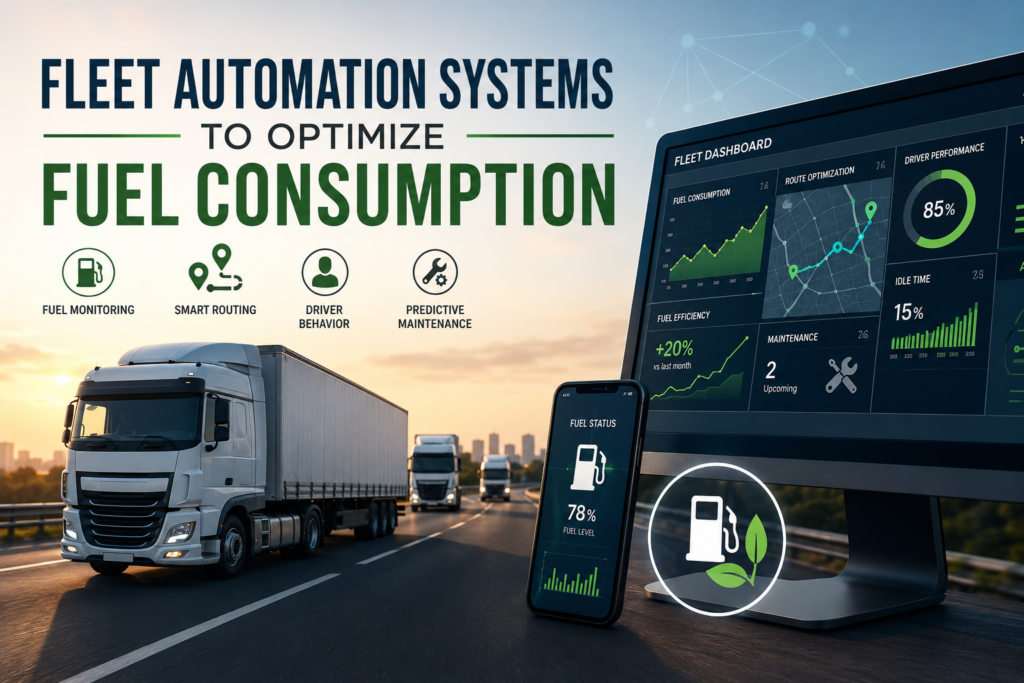
Fleet automation systems to optimize fuel consumption help logistics companies reduce fuel waste, improve route planning, and monitor driver behavior in real time. By using GPS tracking, telematics, and AI-powered analytics, you can lower operational costs while improving delivery efficiency and sustainability. For many logistics businesses, rising fuel prices can quickly reduce profit margins. Modern fleet management technology gives you better control over vehicles, drivers, and maintenance schedules. But which automation features actually make the biggest difference in fuel savings? Quick Summary Fleet automation systems help logistics companies monitor fuel usage, optimize routes, reduce idle time, and improve driver performance. Businesses in regions like Punjab, Pakistan are increasingly using telematics and AI fleet tools to cut operational costs and improve delivery efficiency. The right system can reduce unnecessary fuel consumption while improving fleet visibility and maintenance planning. Why Do Fuel Costs Impact Logistics? Fuel costs directly affect delivery profitability because transportation expenses are one of the largest operational costs for logistics companies. Even small improvements in fuel efficiency can create major savings across large fleets. Common fuel-related challenges include: Many fleet managers discover that hidden inefficiencies increase costs more than fuel price fluctuations themselves. How Do Fleet Automation Systems Work? Fleet automation systems collect real-time vehicle data through telematics devices, GPS tracking, and onboard diagnostics. The software analyzes this information to help you improve fuel efficiency and fleet operations. These systems typically monitor: Industry best practices recommend combining automation with preventive maintenance and driver training for maximum fuel savings. Which Fleet Features Save Fuel Most? The most effective fleet automation features focus on reducing waste and improving operational efficiency. Real-time tracking and AI-powered reporting allow you to identify fuel-draining behaviors quickly. Key fuel-saving features include: Companies that use automated route planning often reduce unnecessary mileage and avoid high-traffic delivery routes. Can Driver Monitoring Improve Fuel Efficiency? Yes, driver behavior monitoring can significantly improve fuel economy. Harsh acceleration, speeding, and excessive braking increase fuel consumption and vehicle wear. Fleet systems provide real-time coaching by identifying risky or inefficient driving habits. Many logistics managers report noticeable improvements after implementing driver scorecards and incentive programs. Common driver habits that waste fuel: In real-world logistics operations, even a small improvement in driver efficiency can save thousands annually across multiple vehicles. How Does Telematics Reduce Fuel Waste? Telematics technology combines GPS tracking, vehicle diagnostics, and cloud-based analytics to give you detailed fuel usage insights. It helps identify where fuel is being wasted and how operations can improve. Telematics benefits include: For example, logistics companies in Faisalabad and other growing transport hubs often use telematics to manage long-distance fuel delivery operations more effectively. What Steps Help Implement Fleet Automation? Implementing fleet automation becomes easier when you follow a structured process. Businesses that rush implementation often struggle with adoption and data accuracy. Step-by-step implementation process: A gradual rollout usually produces better results than changing the entire fleet system at once. How Can You Measure Fuel Savings? Tracking measurable KPIs helps you evaluate whether your fleet automation strategy is working. Accurate reporting also helps justify technology investments to stakeholders. Important fleet KPIs include: Simple tracking process: Consistent reporting is essential for long-term fuel optimization success. What Mistakes Reduce Fleet Efficiency? Many businesses invest in automation software but fail to use the data effectively. Technology alone cannot solve operational inefficiencies without proper management practices. Common mistakes include: One lesson many fleet operators learn is that ongoing monitoring matters more than simply installing software. Pro Tips for Better Fuel Optimization Practical recommendations for logistics companies: You should also evaluate seasonal delivery patterns because traffic congestion and weather conditions can affect fuel performance significantly. Frequently Asked Questions Final Thoughts Fleet automation systems are becoming essential for logistics companies that want to stay competitive while controlling operational costs. Fuel efficiency is no longer just about vehicle quality; it depends on data visibility, driver behavior, maintenance planning, and intelligent route management. When implemented correctly, automation helps you reduce waste, improve delivery performance, and make smarter business decisions. The companies that embrace fleet technology early are often better prepared for future transportation challenges.