
Diesel Fuel Pressure Regulator Guideline 2026
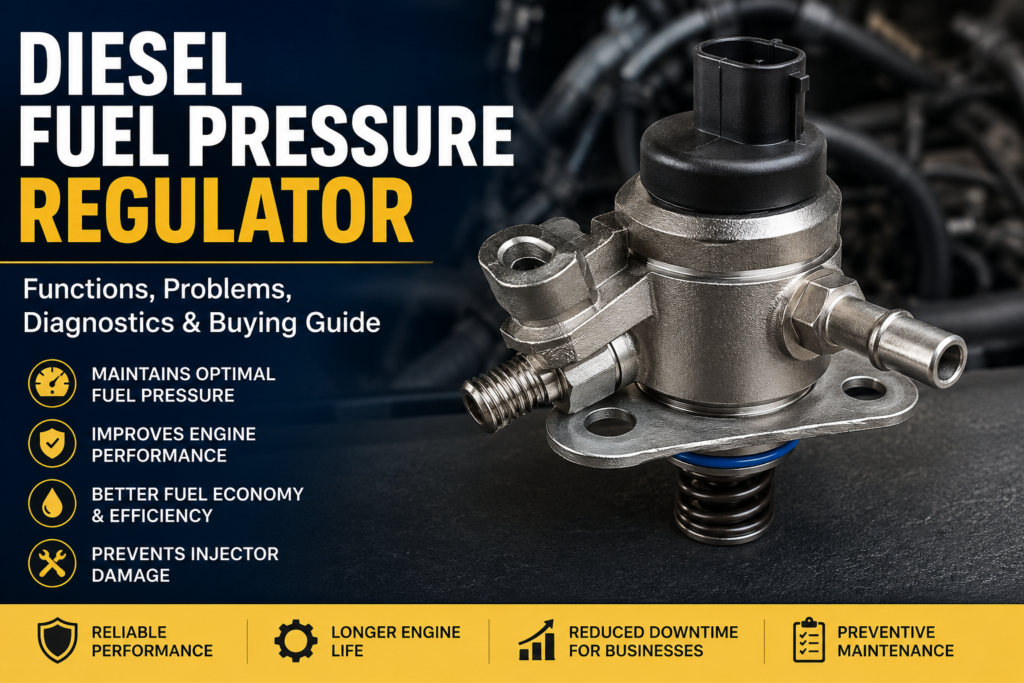
A diesel fuel pressure regulator controls the fuel pressure delivered to your engine, helping maintain smooth performance, fuel efficiency, and proper combustion. If the regulator fails, you may notice hard starts, poor acceleration, black smoke, or reduced fuel economy. Whether you manage a fleet or operate a single diesel-powered vehicle, understanding how this component works can save you costly repairs and downtime. Have you ever wondered why some diesel engines suddenly lose power under load? Table of Contents Quick Summary A diesel fuel pressure regulator manages fuel pressure inside your diesel injection system. A failing regulator can cause rough idling, poor fuel economy, power loss, and starting problems. Regular inspection and choosing quality diesel system providers help prevent expensive engine damage. What Does A Diesel Fuel Pressure Regulator Do? A diesel fuel pressure regulator controls how much fuel pressure reaches the injectors. It adjusts pressure based on engine demand, ensuring the right amount of diesel enters the combustion chamber at the correct time. Key Functions Include Modern diesel systems rely heavily on precise fuel delivery. Even a small pressure imbalance can affect engine performance. Why Does Fuel Pressure Matter? Proper fuel pressure ensures efficient combustion inside the engine. When pressure is too low, your engine may struggle to start or lose power. When pressure is too high, injectors can wear out prematurely. Common Effects Of Incorrect Pressure In commercial vehicles, fuel pressure issues often lead to expensive operational delays. What Are Common Regulator Problems? A faulty diesel fuel pressure regulator usually develops gradually. Many drivers ignore the early warning signs until performance becomes noticeably worse. Signs Of Regulator Failure Real-World Experience Fleet operators frequently report that minor fuel pressure fluctuations eventually turn into injector failures if left unchecked. One maintenance manager in Faisalabad noted that delayed regulator replacement caused injector damage across multiple delivery trucks, significantly increasing repair costs. How Can You Diagnose Regulator Issues? You can diagnose diesel fuel pressure regulator problems by testing fuel pressure, checking for leaks, and scanning engine codes. Early diagnosis helps prevent major fuel system damage. Follow These Diagnostic Steps Important Inspection Areas Professional diesel technicians often combine pressure testing with injector analysis for more accurate results. When Should You Replace It? You should replace the diesel fuel pressure regulator when it no longer maintains stable fuel pressure or causes repeated engine performance problems. Typical Replacement Indicators Most businesses replace regulators during major fuel system servicing to reduce future downtime risks. How To Choose The Right Provider Choosing the right diesel parts provider is critical for long-term reliability and operational efficiency. Look For These Qualities Questions You Should Ask Reliable suppliers help businesses avoid counterfeit or low-quality components that may fail prematurely. Can A Bad Regulator Damage Injectors? Yes, a failing diesel fuel pressure regulator can damage injectors by creating unstable fuel pressure. Excessive pressure may overload injector seals and nozzles, while insufficient pressure can lead to poor spray patterns and incomplete combustion. Injector replacement costs are usually much higher than replacing the regulator itself, making early maintenance a smart investment. How Long Does A Fuel Pressure Regulator Last? Most diesel fuel pressure regulators last between 80,000 and 150,000 kilometers, depending on fuel quality, driving conditions, and maintenance habits. Factors That Affect Lifespan Routine fuel filter changes can significantly extend regulator life. Pro Tips & Safety Advice Best Practices For Businesses Safety Reminders Never attempt fuel system repairs while the engine is hot or running. Diesel fuel systems operate under high pressure and may cause serious injury if handled improperly. If you notice fuel odors or visible leaks, stop operating the vehicle until inspection is completed. FAQs Final Thoughts A diesel fuel pressure regulator plays a major role in engine reliability, fuel efficiency, and long-term operating costs. Ignoring early symptoms can lead to injector damage, engine performance issues, and expensive downtime. For businesses relying on diesel-powered fleets, proactive maintenance and selecting trusted diesel system providers can improve reliability and reduce operational disruptions. Small preventive actions today often prevent major repairs tomorrow.