
High Quality Diesel Fuel Guide In 2026
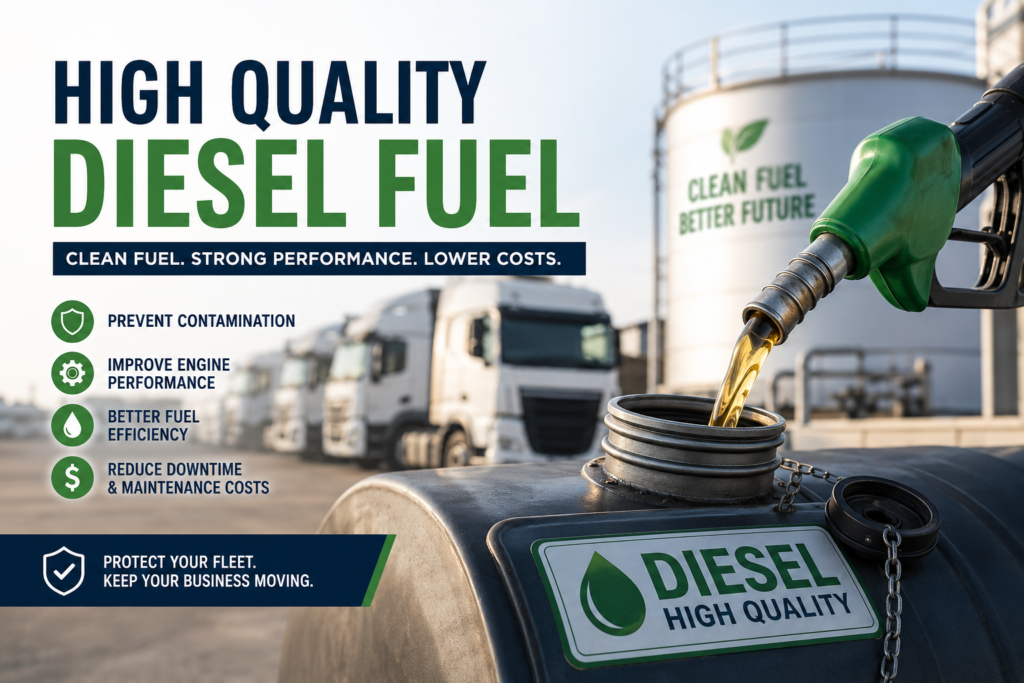
High quality diesel fuel helps fleet operators reduce engine wear, improve fuel efficiency, and prevent costly downtime caused by contamination. Clean, properly stored diesel burns more efficiently, protects injectors, and keeps heavy-duty equipment running reliably in daily operations. If your fleet depends on trucks, generators, or construction equipment, fuel quality directly affects performance and maintenance costs. A small amount of water, dirt, or microbial growth can damage fuel systems fast. So, how can you make sure your diesel stays clean and dependable year-round? Quick Summary High quality diesel fuel improves engine reliability, fuel economy, and equipment lifespan.Contamination from water, dirt, and microbes is one of the biggest threats to fleet performance.Regular tank inspections, proper storage practices, and fuel testing help prevent expensive repairs.Fleet operators in areas like London and other busy transport hubs benefit from proactive fuel management strategies. What Makes Diesel Fuel High Quality? High quality diesel fuel is clean, stable, and free from harmful contaminants like water, dirt, and microbial growth. It meets industry fuel standards and delivers efficient combustion for modern diesel engines. Key characteristics of quality diesel fuel Many fleet managers learn the importance of fuel quality after injector failures or unexpected engine shutdowns. In real-world operations, poor fuel often causes hidden maintenance costs long before visible engine problems appear. Why Does Fuel Contamination Happen? Fuel contamination usually happens when water, dirt, rust, or microbes enter storage tanks during delivery, storage, or temperature changes. Even well-maintained fleets can experience contamination if tanks are not inspected regularly. Common contamination sources Why contamination becomes expensive Organizations like ASTM International and Engine Manufacturers Association emphasize proper fuel handling practices because modern diesel engines are highly sensitive to contamination. How Can You Prevent Diesel Fuel Contamination? The best way to prevent diesel contamination is through regular monitoring, proper storage, and scheduled maintenance. Simple preventive steps often save thousands in repair costs later. 5 steps to protect your diesel fuel Fleet operators who follow these steps usually experience fewer emergency repairs and more consistent engine performance. What Are Signs Of Poor Diesel Fuel? Poor diesel fuel often causes engine performance issues before major failures occur. Recognizing early warning signs can help you avoid expensive downtime. Warning signs to watch for When contamination becomes serious If you notice repeated injector issues or dark sludge in filters, contamination may already be advanced. In many cases, fleets only discover microbial growth after vehicles begin losing power during heavy workloads. How Should Fleets Store Diesel Safely? Proper diesel storage protects fuel quality and extends equipment reliability. Storage practices matter just as much as fuel quality during delivery. Best diesel storage practices Recommended storage inspection routine Fleet operators with backup generators or seasonal equipment often overlook storage conditions. However, stored diesel can degrade faster than expected without preventive maintenance. Which Fuel Testing Methods Work Best? Professional fuel testing helps identify contamination before it damages engines. Testing gives fleet managers a clearer understanding of fuel condition and storage risks. Common diesel fuel tests Benefits of regular testing In large transport operations, testing programs often become part of standard preventive maintenance because fuel issues affect entire fleets, not just single vehicles. Pro Tips For Cleaner Diesel Storage Smart fuel management tips Safety advice for fleet operators Water contamination is one of the most overlooked diesel problems. Even small amounts can encourage microbial growth that spreads quickly through tanks and filters. Early prevention is always cheaper than fuel system replacement. Frequently Asked Questions Final Thoughts High quality diesel fuel is not just about engine performance. It directly affects fleet reliability, maintenance budgets, and operational efficiency. Preventing contamination requires consistent storage practices, regular inspections, and proactive fuel testing. For fleet operators managing multiple vehicles or backup systems, small fuel management improvements today can prevent major repair expenses tomorrow. Clean fuel supports safer operations, stronger equipment performance, and long-term cost control.