
Emergency Diesel for Hospital Backup Power
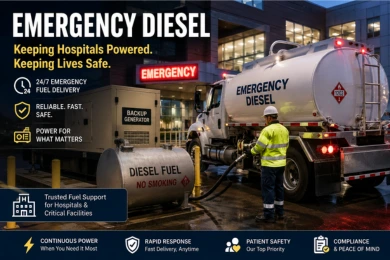
Emergency diesel delivery helps hospitals and critical facilities stay operational during power outages, fuel shortages, generator failures, and unexpected demand spikes. When backup tanks run low, rapid diesel delivery keeps generators running so patient care, emergency systems, and essential medical equipment remain active without interruption. For hospitals, downtime is not just inconvenient — it can become dangerous within minutes. A delayed fuel supply can affect intensive care units, operating rooms, refrigeration systems, and emergency lighting. Have you considered how long your facility could operate if your diesel reserves suddenly dropped overnight? Quick Summary Emergency diesel delivery provides rapid fuel support for hospitals and critical facilities during outages or urgent fuel shortages. Reliable fuel access helps keep backup generators running, protects patient safety, and prevents operational downtime. Most emergency fuel providers offer 24/7 dispatch, mobile fueling, and priority delivery services for healthcare facilities. Hospitals in major regions like London often use emergency diesel contracts to improve response time during emergencies. Why Does Emergency Diesel Matter? Emergency diesel is critical because hospitals depend on uninterrupted electrical power for life-saving operations. Backup generators can only function if fuel is available when needed. Without emergency diesel access, hospitals may face: Healthcare facilities typically maintain reserve fuel, but emergencies often last longer than expected. Severe weather, supply chain disruptions, or regional power failures can quickly exhaust stored diesel supplies. How Fast Can Emergency Diesel Arrive? Emergency diesel providers usually dispatch fuel within a few hours depending on traffic, weather, and regional demand. Many providers operate 24/7 emergency response teams specifically for hospitals and critical infrastructure facilities. Common factors affecting response time Hospitals with pre-arranged emergency fueling agreements generally receive faster priority service during regional emergencies. Steps providers follow during dispatch What Facilities Need Emergency Diesel? Hospitals are among the most important users of emergency diesel services because patient care depends heavily on uninterrupted electricity and backup power systems. Many healthcare organizations also use mobile diesel fueling during natural disasters or grid failures when normal supply chains become unstable. How Does Emergency Fuel Delivery Work? Emergency fuel delivery works through rapid-response logistics designed to refill generator tanks safely and quickly during critical situations. Most providers monitor fuel requests through dispatch systems and coordinate certified drivers, fuel trucks, and compliance procedures. Typical emergency diesel process Reliable providers also test fuel quality to reduce contamination risks that could damage hospital generators. What Problems Can Fuel Shortages Cause? Fuel shortages can create serious operational and financial risks for hospitals. Even short interruptions may affect patient safety and regulatory compliance. Risks linked to low diesel supply During large-scale emergencies, fuel demand often rises rapidly. Hospitals without emergency diesel planning may struggle to secure immediate delivery. How Can Hospitals Prepare Better? Hospitals can improve emergency preparedness by creating proactive fuel management strategies before a crisis occurs. Recommended emergency fuel planning strategies Important fuel management practices Hospitals should also verify fuel quality regularly because contaminated diesel can damage backup generators. Water buildup, sludge, or microbial growth inside storage tanks may reduce system reliability during emergencies. Facilities with multiple generators should calculate projected runtime carefully to avoid underestimating fuel demand during extended outages. Pro Tips and Safety Advice Best practices for emergency diesel readiness Safety considerations during fuel delivery Emergency diesel fueling must follow environmental and fire safety regulations. Professional fuel providers typically use spill containment systems, grounding procedures, and documented handling practices to reduce risks during delivery operations. Hospitals should only work with licensed and insured emergency diesel suppliers experienced with healthcare environments. Frequently Asked Questions Final Thoughts Emergency diesel delivery plays a critical role in protecting hospitals during power disruptions and fuel emergencies. Fast fuel access helps maintain patient care, keeps generators operational, and reduces the risk of dangerous downtime. Healthcare facilities that plan ahead with trusted emergency diesel providers are usually better prepared for unexpected outages, severe weather events, and supply chain disruptions. A strong fuel continuity strategy can make a major difference when every minute matters.