
Best DEF Supplies Guide for Trucking Fleets
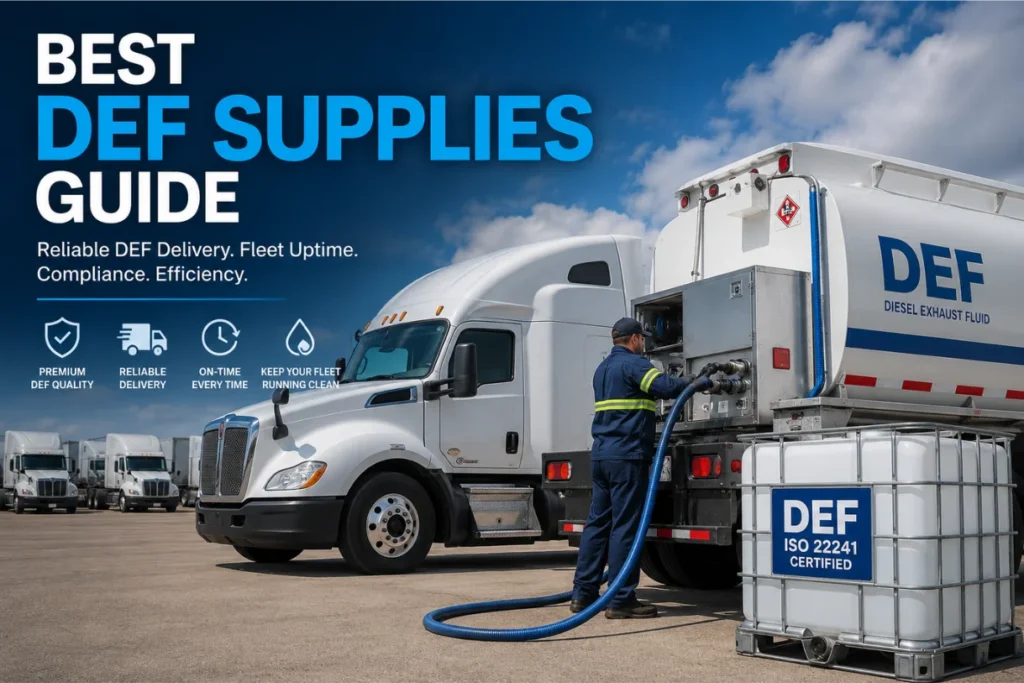
The best DEF supplier for a trucking fleet offers reliable delivery, consistent product quality, emergency support, and flexible scheduling. Businesses should compare delivery coverage, DEF storage options, response times, pricing stability, and fueling support before choosing a provider. Reliable DEF logistics help fleets reduce downtime, protect emissions systems, and maintain operational efficiency across yards, terminals, routes, and job sites. Best DEF Supplier Near You Guide Truck fleets depend on reliable DEF supply to keep equipment compliant and operational. Poor delivery scheduling or low-quality fluid can create downtime, trigger engine derates, and disrupt dispatch schedules. The best DEF suppliers support fleet uptime with consistent delivery, clean handling practices, emergency availability, and scalable logistics. Many trucking companies now combine DEF support with mobile fueling operations to reduce labor demands and simplify fuel management across terminals, yards, and remote locations. Why DEF Supply Matters for Trucking Fleets Modern diesel engines require DEF to reduce emissions and meet federal standards. Fleets cannot afford supply gaps or contamination issues. Reliable DEF management supports: Equipment uptime Route scheduling Emissions compliance Lower labor demands Better yard efficiency Reduced emergency fuel runs Many fleets also coordinate DEF with scheduled diesel delivery service operations to simplify vendor management and improve fueling consistency. What to Look for in DEF Suppliers Not all suppliers support commercial fleet operations equally. Trucking companies should evaluate several operational factors before signing a supply agreement. Delivery Coverage National and regional coverage matters for fleets with multiple terminals or active routes across several states. Ask suppliers about: Delivery territories Emergency response availability Rural and remote support Multi-site coordination Product Quality Standards Poor-quality DEF can damage SCR systems and increase maintenance costs. Reliable suppliers should follow: ISO 22241 handling standards Proper storage procedures Sealed transport systems Contamination prevention practices Scheduling Flexibility Fleet operations change quickly. Delivery schedules should adapt to seasonal demand, route changes, and unexpected fuel usage spikes. Flexible suppliers often support: Scheduled deliveries On-demand refills After-hours fueling Long-term project fueling Bulk Storage Support Large fleets often reduce costs by using on-site storage tanks. A supplier may help with: Tank monitoring Refill scheduling Usage forecasting Inventory tracking This approach helps reduce emergency ordering and unnecessary labor hours. Common DEF Supply Options Different operations require different supply methods. DEF Supply Option Best For Main Benefit Packaged DEF containers Small fleets Easy short-term use Tote delivery Mid-size operations Flexible storage Bulk DEF delivery Large fleets Lower long-term costs Mobile DEF fueling Remote operations On-site convenience Emergency DEF delivery Urgent needs Reduced downtime Large trucking companies often combine bulk storage with fleet fueling services to simplify yard operations. Signs of a Reliable DEF Partner Strong suppliers focus on operational consistency instead of simple product delivery. Look for providers that offer: Fast Response Times Emergency support matters when fleets operate around the clock. Delayed DEF delivery can sideline trucks quickly if inventory runs low. Fuel Logistics Experience Suppliers with experience in mobile diesel delivery and industrial fueling often understand fleet scheduling better than retail-only distributors. Transparent Pricing Stable pricing helps fleets forecast operating expenses more accurately. Ask about: Delivery fees Minimum order requirements Emergency service rates Contract terms Safety and Compliance Safe fueling practices protect drivers, equipment, and facilities. Reliable suppliers usually maintain: Driver safety training Spill response procedures Clean transfer equipment Documented compliance processes Pros and Cons of Bulk DEF Supply Pros Reduces emergency purchasing Improves fueling efficiency Supports high-volume operations Helps stabilize inventory management Saves labor time during fleet fueling Cons Requires storage space Needs inventory monitoring Higher upfront setup costs May require long-term supplier coordination Common Mistakes to Avoid Many trucking companies focus only on DEF pricing and ignore operational support. Choosing Based Only on Cost Low-cost DEF may create higher downtime and maintenance expenses later. Ignoring Emergency Coverage Suppliers without emergency support may leave fleets exposed during unexpected demand spikes. Poor Storage Practices Improper storage can contaminate DEF and damage emissions systems. Overlooking Delivery Capacity Some suppliers struggle during peak demand periods or severe weather events. No Usage Tracking Fleets without monitoring systems often over-order or run out unexpectedly. When Bulk DEF Supply Makes Sense Bulk DEF operations work best for fleets with: High truck counts Centralized terminals Consistent route schedules Long-haul operations Generator-supported facilities Heavy equipment operations Construction fleets and industrial operators also benefit from combining DEF logistics with generator fueling and long-term project support services. How Mobile DEF Delivery Improves Fleet Operations Mobile delivery reduces unnecessary truck movement and labor demands. Instead of sending drivers to retail locations, suppliers deliver directly to: Fleet yards Truck terminals Construction sites Remote operating areas Distribution centers This approach improves productivity and helps fleets maintain tighter dispatch schedules. Some trucking companies combine DEF logistics with emergency diesel delivery planning to improve fuel readiness during storms, outages, or seasonal surges. Key Questions to Ask Suppliers Before selecting a supplier, fleet managers should ask: What delivery areas do you cover? Do you offer emergency response support? How do you prevent DEF contamination? Can you support multiple locations? Do you provide tank monitoring? What are your delivery minimums? Can you scale with seasonal demand? These questions help identify suppliers that support long-term operational stability instead of short-term transactions. Key Takeaways Reliable DEF supply protects uptime and emissions compliance. Bulk and mobile delivery reduce labor demands for fleets. Emergency support helps avoid costly downtime. Clean handling standards matter as much as pricing. Integrated fueling logistics improve operational efficiency. Conclusion Reliable def supplies support more than emissions compliance. They help trucking fleets protect uptime, improve scheduling, reduce labor demands, and avoid unnecessary downtime. The best suppliers combine dependable logistics, safe handling practices, emergency readiness, and scalable delivery support. Fleets that treat DEF management as part of a broader fueling strategy often improve operational efficiency across terminals, routes, generators, and job sites.