
Diesel Fuel for Trucks Near Me Guide for Fleets
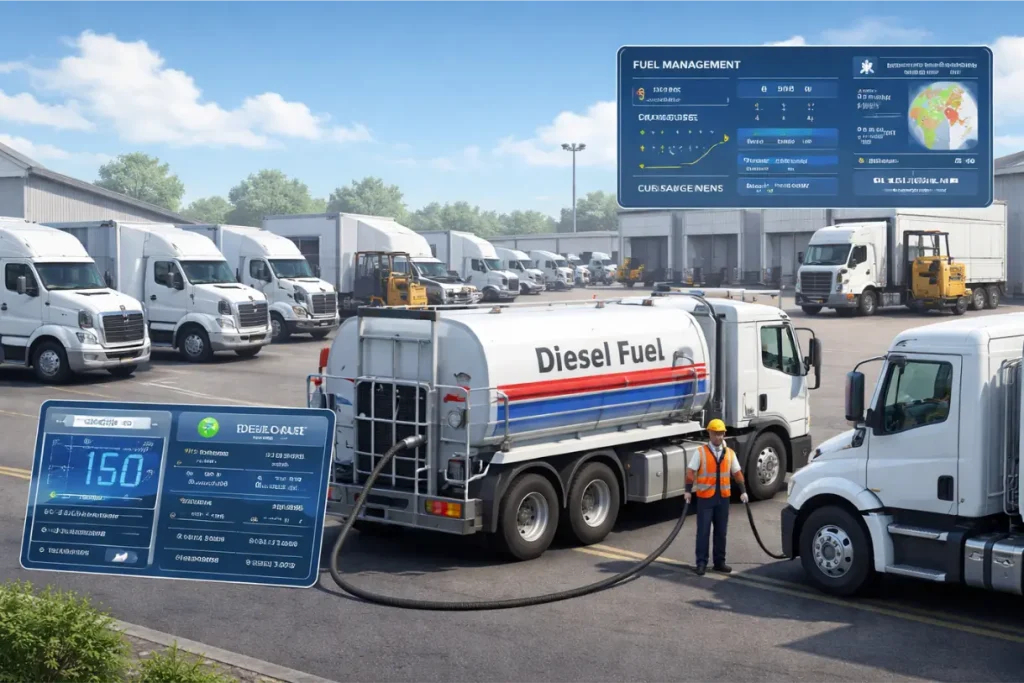
Truck fleets searching for diesel fuel for trucks near me often need faster fueling, lower costs, and less downtime. On-site diesel delivery solves this by bringing fuel directly to fleet yards or job sites. It removes driver detours, improves scheduling, and provides better fuel tracking. This approach helps fleets stay productive, control costs, and maintain compliance without disrupting daily operations. Introduction Truck fleets depend on reliable fueling to stay on schedule. Searching for diesel fuel for trucks near me often leads to retail stations, but that method creates delays and hidden costs. Mobile and on-site fueling offers a more efficient solution by delivering fuel directly where trucks operate. The Role of Diesel in Trucking Diesel fuel powers commercial trucking, construction operations, and refrigerated trailers. Fleet uptime depends on consistent fuel access. Demand for Efficient Fueling Fleet managers now prioritize time savings and predictable fueling schedules. This shift drives adoption of mobile fuel delivery and bulk fuel delivery. Hidden Costs of Traditional Fueling Off-site fueling adds labor costs, fuel waste, and administrative work. These costs often go unnoticed in daily operations. How On-Site Delivery Helps On-site refueling removes travel time, improves control, and supports better fleet management decisions. Hidden Costs of Traditional Fueling Downtime and Delays Drivers leave routes to refuel. This reduces productivity and delays deliveries. Labor and Wages Companies pay drivers during fueling trips. These hours do not generate revenue. Extra Mileage Driving to fuel stations increases vehicle wear and fuel consumption. Admin Burden Tracking fuel receipts, fuel card usage, and reporting creates extra work. Safety Risks Public stations expose drivers to traffic hazards and security risks. Compliance Challenges Managing storage, environmental impact, and standards like NFPA 30A becomes harder without structured fueling systems. What Is On-Site Diesel Fuel Delivery Mobile Fuel Delivery Defined Mobile fuel delivery brings diesel directly to trucks at a fleet yard or job site. It removes the need for off-site fueling. Diesel Fuel Types for Fleets Fleets use different diesel fuel products based on operations: On-road diesel for trucking Off-road diesel for construction equipment Renewable diesel and biodiesel blends for sustainability goals Heating oil for certain industrial uses DEF and Companion Products Diesel Exhaust Fluid supports emissions systems in modern trucks. Many providers include DEF delivery with fueling services. Flexible Fleet Coverage On-site fueling supports: Fleet yards Construction job sites Remote operations Generator fueling for backup systems Benefits of Mobile Fueling Higher Uptime Fuel trucks operate while parked. Drivers start shifts with full tanks. Cost Savings Reduced labor, fewer fuel trips, and better fuel purchasing lower fleet costs. Better Fuel Management Modern systems track fuel data using barcode scanning systems and telematics tools. Safety and Compliance Controlled fueling reduces risks and supports regulatory compliance. Convenience Scheduled deliveries remove uncertainty. Emergency fueling adds backup support. Less Admin Work Automated reports replace manual tracking and receipts. On-Site Fueling Process Assessment Providers evaluate fleet size, fuel usage, and site conditions. Scheduling Companies set daily, weekly, or custom fueling schedules. Delivery Fuel trucks arrive on-site and refuel vehicles using safe procedures and computerized metering. Reporting Detailed reports show fuel usage, vehicle data, and costs. Billing Digital systems simplify invoicing and payment tracking. Advanced Fleet Fueling Solutions Technology Integration Fleet fueling services now include: Real-time customer data access Fleet portals for monitoring Custom software for fuel management Barcode systems for vehicle tracking Sustainable Fuel Options Renewable diesel and biodiesel blends help reduce emissions without changing engines. Specialized Services Providers support: Refrigerated trailers Generator fueling Long-term project fueling Emergency diesel delivery Choosing the Right Fuel Partner Reliability Choose providers with strong response times and backup capabilities. Service Coverage Ensure coverage across key regions such as New Jersey or New Mexico if fleets operate there. Technology Features Look for advanced reporting, telematics integration, and fuel tracking tools. Safety Standards Verify compliance with fuel handling and environmental regulations. Pricing Transparency Clear pricing helps manage budgets and avoid surprises. Support Strong communication ensures smooth operations. Table: Traditional Fueling vs On-Site Fuel Delivery Factor Traditional Fueling On-Site Fuel Delivery Driver Time High Low Fuel Tracking Manual Automated Cost Control Limited Strong Safety Public risk Controlled Scheduling Unpredictable Planned Admin Work High Minimal Pros and Cons Pros Reduces downtime Improves fuel management Lowers labor costs Enhances safety Supports compliance Cons Requires planning and scheduling May need on-site tank setup Not ideal for very small fleets Common Mistakes to Avoid Ignoring hidden fueling costs Relying only on fuel cards Not tracking fuel data Choosing providers without technology tools Skipping compliance checks When On-Site Fueling Makes Sense Large commercial trucking fleets Construction operations with heavy equipment Fleets with tight delivery schedules Companies managing multiple job sites Operations needing emergency fueling backup Key Takeaways On-site fueling improves uptime and efficiency Mobile fuel delivery reduces hidden costs Fuel management systems provide better data control DEF and diesel can be delivered together Scheduled fueling supports consistent operations Conclusion For fleets searching for diesel fuel for trucks near me, on-site delivery offers a practical and efficient solution. It reduces downtime, improves cost control, and simplifies fuel management. Mobile fueling supports modern fleet operations by combining convenience, safety, and data-driven insights. FAQ